
Madagascar’s air transport sector remains under close regulatory supervision. According to a recent notice published by the Civil Aviation Authority of Madagascar, only 22 aircraft operated by five local companies are currently authorized to conduct paid commercial flights across the country. These authorizations cover both scheduled commercial services and on-demand charter operations.
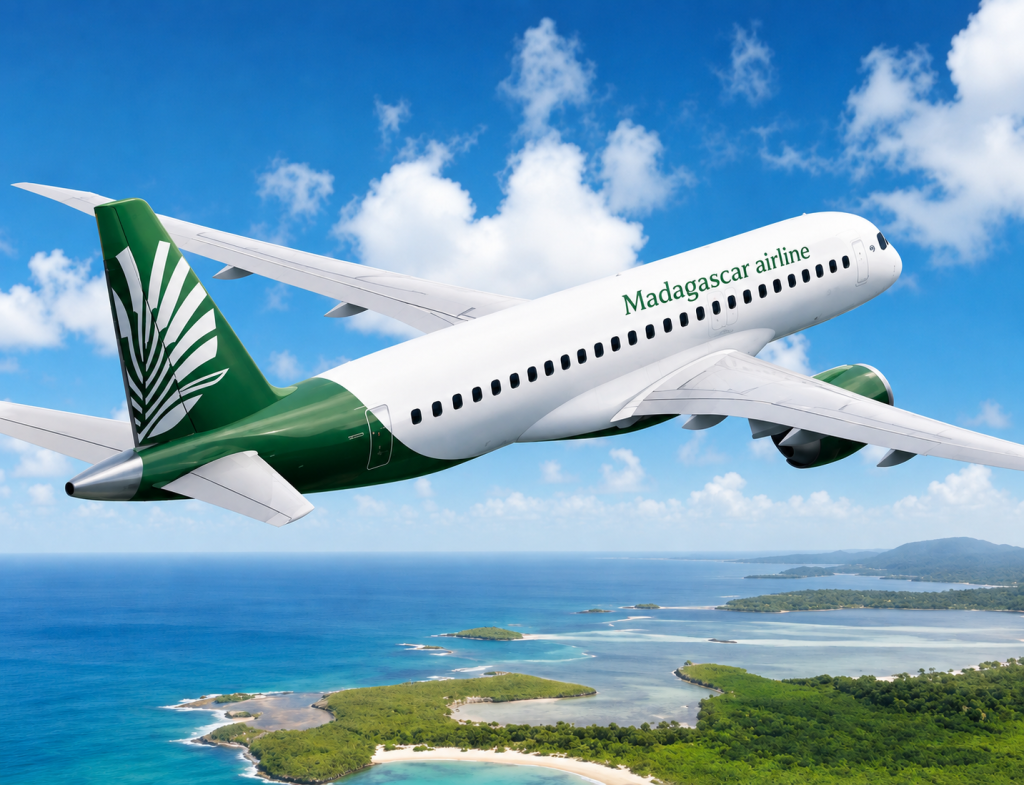
In this limited aviation landscape, Madagascar Airlines continues to hold a dominant position on regular routes through its fleet of six ATR aircraft. These planes handle most of the domestic and regional connections operated by the national carrier at a time when air connectivity remains essential for the island nation’s economic and social activities.
Meanwhile, Madagascar Trans Air stands out as the most active operator in the charter flight segment, both domestically and internationally. The company operates a fleet of 12 aircraft, mainly consisting of light single-engine and twin-engine planes such as Cessna, Piper, and Beechcraft models. These aircraft are particularly important for serving remote areas that are difficult to access by road.
The list of authorized operators also includes HFF Travel Airways, which operates two aircraft, including a Cessna Citation 560 XL business jet. GS Aviation currently operates one Beechcraft King Air B200, while Madagascar Fly Alliance rounds out the list with a single Cessna 207A dedicated exclusively to domestic charter flights.
The document released by the Civil Aviation Authority also highlights an unusual situation: the same aircraft, registered as 5R-MLI, appears under both Madagascar Trans Air and Madagascar Fly Alliance. This detail raises questions regarding aircraft management and operational arrangements within Madagascar’s private aviation sector.
In addition, the Cessna 208 Caravan is currently the most common aircraft among the authorized fleet, with six units in operation. Known for its versatility and ability to land on short or unpaved runways, the aircraft plays a major role in connecting isolated regions throughout Madagascar.
The publication from Madagascar’s Civil Aviation Authority comes as the country continues efforts to strengthen aviation safety standards and improve sector regulation. With a still limited commercial fleet, Madagascar faces ongoing challenges in expanding domestic connectivity, supporting tourism growth, and meeting increasing mobility needs across the island.