
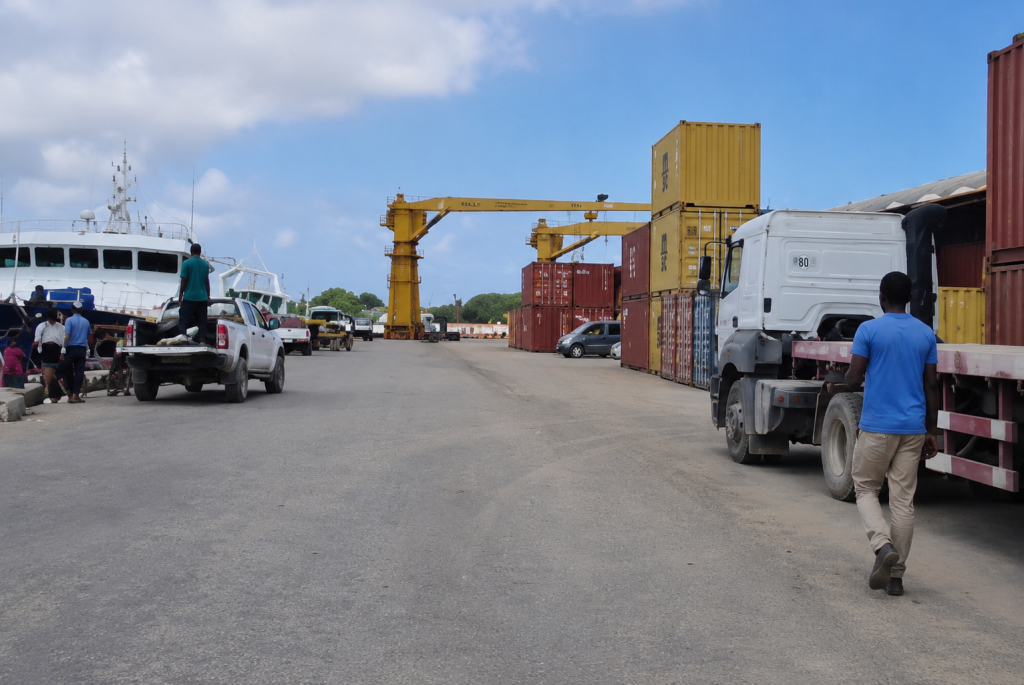
The Port of Mahajanga has reached an important milestone in its modernization process. The first phase of its rehabilitation has been completed, marking the beginning of a transformation aimed at upgrading infrastructure, improving safety, and making port operations more efficient. As Madagascar’s third-largest port in terms of cargo volume, the facility plays a strategic role in the country’s maritime trade and in connections between the western coast of Madagascar and other destinations in the Indian Ocean.
The completion of this first phase includes improvements to several port facilities and operating conditions. These upgrades are expected to make maritime activities safer and more efficient, benefiting both vessels and the economic operators who rely on the port for the movement of goods.
The modernization of the Port of Mahajanga is particularly important for the regional economy. The port serves as a key gateway for trade in the Boeny region and contributes to maritime links with neighboring islands in the Indian Ocean, particularly the Comoros and Mayotte. Improving its infrastructure is therefore expected to facilitate the movement of goods, reduce logistical constraints, and strengthen the competitiveness of businesses that depend on maritime transport.
The rehabilitation is part of a broader modernization program for the port. The project is being implemented through several stages, ranging from assessments and urgent repairs to the redevelopment and expansion of port facilities. The long-term objective is to establish a more modern, efficient, resilient, and sustainable port capable of meeting the evolving requirements of contemporary maritime transport.
Safety and service quality are also central to the project. The modernization is expected to improve the port’s ability to accommodate different types of vessels while providing better conditions for cargo handling and other maritime operations. The development of modern equipment and the use of digital solutions are also intended to improve operational efficiency and strengthen the port’s capacity to provide reliable services.
Beyond maritime transport, the rehabilitation could generate significant economic benefits for the region. A more efficient port can improve the supply of goods to businesses, reduce transportation and logistics costs, and facilitate the expansion of commercial activities. It could also make Mahajanga more attractive to investors and economic operators involved in trade, fishing, logistics, tourism, and other sectors connected to maritime activities.
The project is also taking place against a backdrop of long-standing challenges affecting the port, including physical constraints and the changing requirements of maritime traffic. Modernizing the facility is therefore considered essential to maintaining its position within Madagascar’s port network and strengthening its ability to support economic development in the western and northwestern parts of the country.
The completion of the first phase represents an important step forward for Madagascar’s maritime sector. However, it is only one stage of the broader rehabilitation program. The next phases will be expected to continue the redevelopment and expansion of the facilities, with the aim of giving the Port of Mahajanga the capacity required to support growing trade flows and meet the increasingly demanding standards of regional maritime transport.
The modernization of Mahajanga is consequently more than an infrastructure project. It represents an opportunity to strengthen Madagascar’s logistics network, improve regional connectivity, and give the western part of the country a more competitive gateway to national and international markets.