
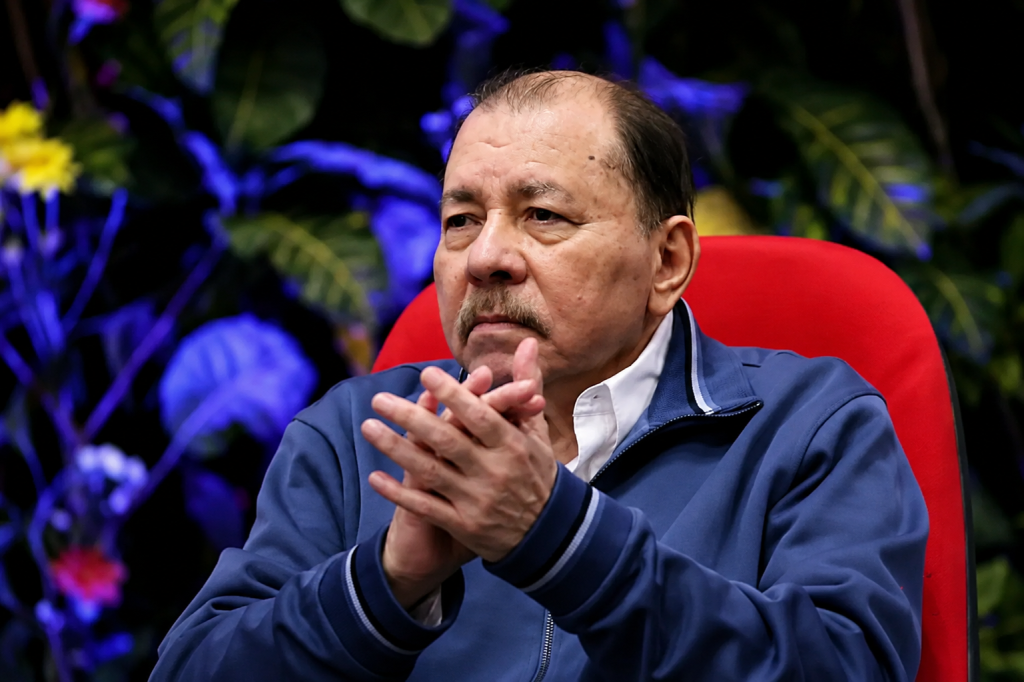
Nicaragua’s National Assembly approved a controversial constitutional reform backed by President Daniel Ortega and Co-President Rosario Murillo. The reform significantly changes the country’s electoral system and further strengthens the control of the executive over Nicaragua’s political institutions.
One of the most controversial aspects of the reform is its restriction on the participation of opposition figures in future elections. The new provisions seek to prevent individuals considered by the authorities to have acted against the government or the constitutional order from holding public office. The government argues that these measures are necessary to protect Nicaragua’s sovereignty, stability, and political system. Critics, however, argue that they could effectively prevent genuine political competition and make democratic alternation of power increasingly difficult.
The reform also extends the presidential term from six to seven years. As a result, the presidential election initially expected in 2026 has been postponed, with the next national elections now scheduled for 2028. The terms of other elected officials are also extended. This allows Daniel Ortega and Rosario Murillo to remain in power for an additional year.
This decision follows a major constitutional reform adopted in 2025, which already increased the powers of the executive branch and established the system of co-presidency. Rosario Murillo, Ortega’s wife, became co-president, giving the couple a central role in the political leadership of the country.
The current reform must still go through a second legislative approval, as required by Nicaragua’s constitutional procedure. The second vote is expected to take place in January 2027. If ratified, the reform will become an important new element of Nicaragua’s political and institutional system.
The decision has generated strong international criticism. The United States and several Latin American governments have condemned the reform, arguing that it further weakens democratic institutions and restricts the possibility of free and competitive elections. Panama, for example, has responded by withdrawing its ambassador from Managua.
The reform must also be understood in the context of Nicaragua’s broader political crisis. Since 2018, the country has experienced serious tensions between the government and its opponents. The authorities have been accused by international organisations and foreign governments of repressing political dissent, restricting civil liberties, and forcing many opponents and journalists into exile.
Daniel Ortega has been in power since 2007, apart from a period before his return to the presidency. His government has progressively strengthened its control over Nicaragua’s political institutions. The latest constitutional reform therefore represents another major step in this process, particularly because it combines restrictions on political participation with an extension of presidential terms.
From the government’s perspective, the reform is presented as a way to defend national sovereignty and prevent what it describes as attempts to destabilise the country. For the opposition and many international observers, however, the central concern is the weakening of political pluralism. In a democratic system, elections are intended to give citizens a genuine choice between competing political forces. Preventing significant opposition figures from participating can therefore fundamentally change the meaning of an election.
The situation could consequently have important consequences for Nicaragua’s political future. If the reform is finally ratified, the country could face a political system in which elections continue to exist formally, but where the ability of opposition forces to compete for power is considerably restricted. This raises broader questions about democratic legitimacy, the separation of powers, and the possibility of a peaceful transfer of power through elections.
In conclusion, the constitutional reform approved by Nicaragua’s Parliament is much more than a simple change to the electoral calendar. It represents a significant transformation of the country’s political system. By restricting opposition participation, extending presidential terms, and postponing national elections until 2028, the reform could further consolidate the power of Daniel Ortega and Rosario Murillo and deepen Nicaragua’s political isolation.