
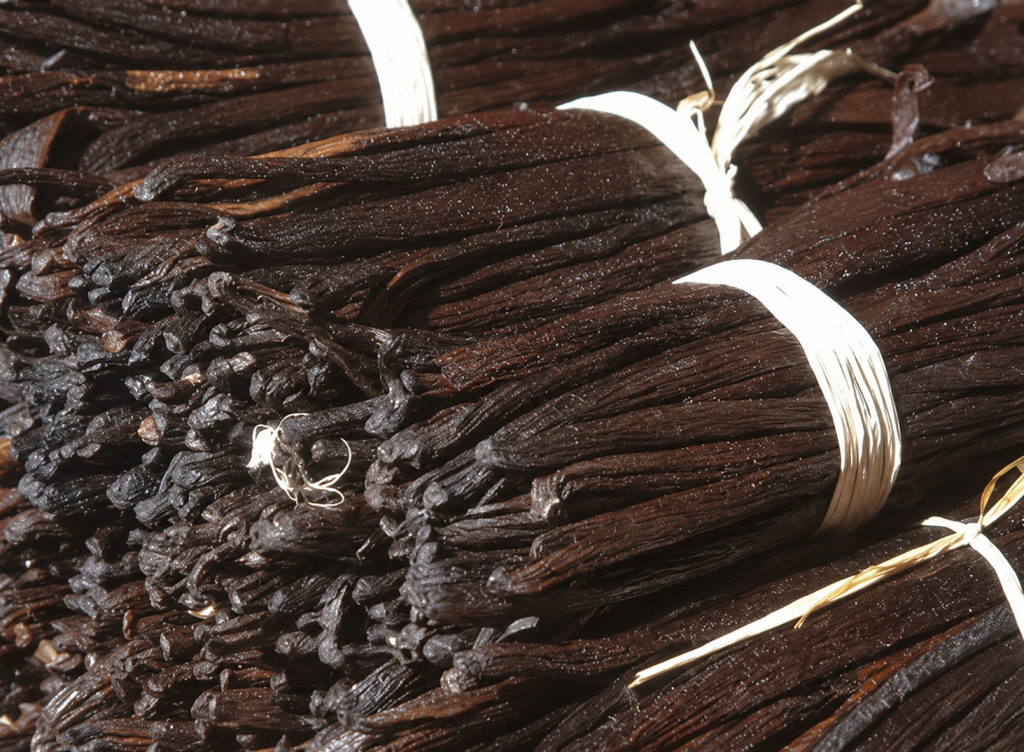
Madagascar’s vanilla sector is facing a new period of uncertainty. While authorities are considering a stock-buying mechanism to support the market, the Madagascar Vanilla Exporters Group (GEVM) believes that this measure does not address the deeper challenges affecting the industry. The organization is calling instead for structural reforms aimed at strengthening the long-term competitiveness of Madagascar’s vanilla on the international market.
The debate comes at a time when the sector is under significant pressure due to falling prices and growing stock levels. To stabilize the market, the Madagascar Vanilla Alliance (AVM) has introduced a plan that includes the purchase of 600 tonnes of prepared vanilla, along with an obligation for exporters to buy 3,000 tonnes of green vanilla. The initiative aims to reduce supply pressure and support farmers’ incomes.
However, GEVM argues that this approach may only provide a temporary solution rather than solving the industry’s fundamental problems. According to GEVM President Georges Geeraerts, buying stocks could simply transfer ownership of existing volumes without addressing the imbalance between global supply and demand. Without a clear strategy to sell these stocks on international markets, the measure could only postpone the current difficulties.
The current situation highlights the structural weaknesses of Madagascar’s vanilla industry. After several years of high prices, production increased significantly, creating greater pressure on international prices. By the end of 2025, the average export price of Madagascar’s vanilla had fallen sharply, with a reported decline of 40.2%, affecting the income of many players across the value chain.
For GEVM, the priority should now be a complete transformation of the existing model. Exporters are calling for improved quality standards, stronger compliance with international requirements, especially European regulations, and better control against contaminants. They also emphasize the need to rebuild confidence among international buyers and food industry players in Madagascar’s vanilla origin.
Vanilla remains a strategic sector for Madagascar’s economy. Despite declining prices, it continues to play an important role in the country’s export revenues. During the first quarter of 2026, vanilla strengthened its relative contribution to Madagascar’s export earnings, although it remained behind mining activities and export processing zones.
Beyond the issue of stocks, the current debate raises a broader question: how can Madagascar secure the future of a sector that supports thousands of farmers while maintaining its position as the world’s leading vanilla producer? According to exporters, the solution lies not only in temporary support measures but in a complete modernization of production, processing, and marketing systems.
The current crisis could therefore become an opportunity to rebuild the industry on stronger foundations, focusing on quality, traceability, sustainability, and better adaptation to the demands of the global market.