
Madagascar has significantly reinforced its health protection measures in response to the ongoing Ebola outbreak affecting several countries. In an interministerial directive issued on August 19, 2026, Malagasy authorities announced a series of preventive actions aimed at minimizing the risk of the virus entering the country. These measures include a temporary entry ban for certain foreign travelers, mandatory quarantine requirements for authorized arrivals from affected areas, and the suspension of travel from Madagascar to countries experiencing Ebola outbreaks.
The most significant measure concerns foreign nationals who are not residents of Madagascar and who have stayed in or transited through an Ebola-affected country within the previous 21 days. These individuals are temporarily prohibited from entering Malagasy territory. The 21-day period corresponds to the maximum incubation period of the Ebola virus and is widely used by health authorities for monitoring potential exposure.
However, the restrictions do not apply to all travelers arriving from affected regions. Malagasy citizens, foreign residents, holders of valid work or student visas, diplomats, and staff of international organizations may still be permitted to enter the country. Their admission is subject to strict health protocols, including a mandatory 21-day quarantine under medical supervision and continuous health monitoring. These measures are intended to ensure the early detection of any potential cases while allowing essential travel to continue.
The government has also decided to temporarily suspend travel from Madagascar to countries affected by Ebola. Authorities believe that limiting movement between Madagascar and outbreak zones will reduce the likelihood of imported infections and help safeguard public health. The suspension is expected to remain in place until the epidemiological situation improves and health authorities determine that the risk has decreased.
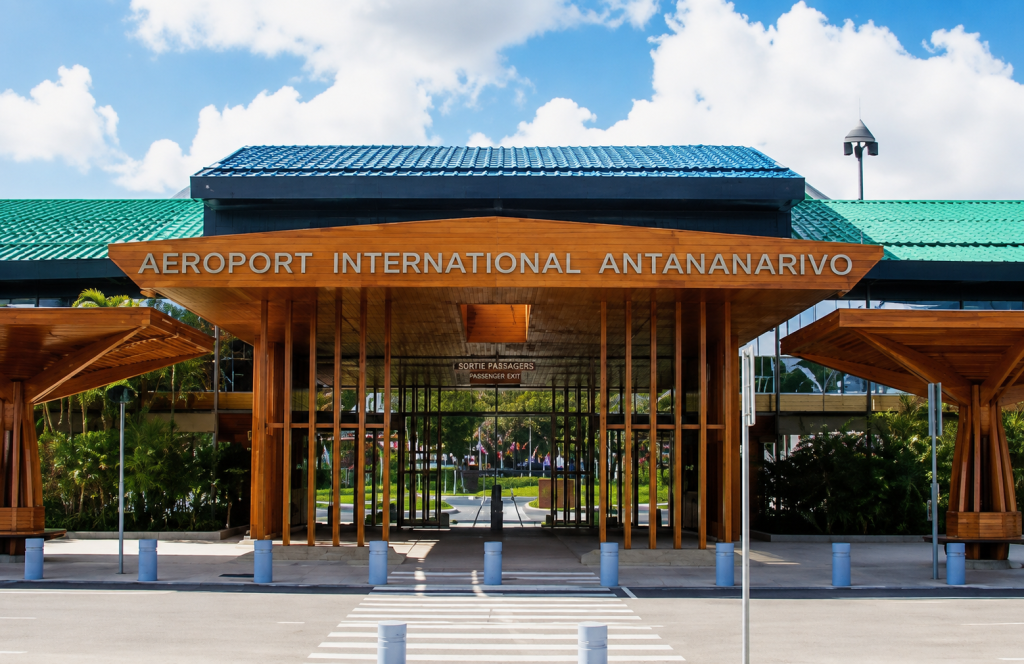
At the same time, Madagascar has strengthened health screening procedures at its borders. All incoming travelers are now required to complete health declaration forms and undergo medical screening upon arrival. At Ivato International Airport in Antananarivo, passengers are subjected to temperature checks, visual health assessments, and symptom screening conducted by healthcare personnel. Travelers displaying symptoms such as fever, fatigue, vomiting, or other signs associated with Ebola may be subject to additional examination and monitoring.
The heightened vigilance comes amid one of the most severe Ebola outbreaks in recent years. According to the World Health Organization (WHO), the current outbreak of Bundibugyo virus disease in the Democratic Republic of the Congo has expanded rapidly, resulting in thousands of confirmed cases and deaths. The outbreak has spread across multiple provinces, making it the largest Ebola outbreak ever recorded in the country. Imported cases have also been reported in countries including Uganda, France, and Germany, demonstrating the potential for international transmission.
Ebola is a severe viral disease characterized by symptoms such as fever, weakness, vomiting, diarrhea, and, in severe cases, internal and external bleeding. The virus is transmitted through direct contact with the bodily fluids of infected individuals or contaminated materials. Because of its high fatality rate and potential for rapid spread, early detection, isolation, and contact tracing remain essential tools in controlling outbreaks.
International health organizations continue to monitor the situation closely. The WHO has classified the outbreak in the Democratic Republic of the Congo as a major public health emergency requiring intensified surveillance, preparedness, and cross-border cooperation. While the overall global risk remains relatively low, countries are being encouraged to strengthen preventive measures and maintain high levels of vigilance.
For Madagascar, the newly announced measures are primarily preventive. There is currently no indication that Ebola is circulating within the country. Instead, authorities are acting proactively to prevent any potential importation of the virus through international travel. The combination of travel restrictions, quarantine requirements, border screening, and enhanced surveillance reflects a precautionary strategy designed to protect public health and preserve national preparedness.
The mandatory 21-day quarantine remains a cornerstone of the government’s response. Individuals authorized to enter Madagascar after traveling through affected areas will be monitored throughout this period to ensure that any symptoms are identified and managed promptly. Such measures are considered crucial in preventing possible transmission and maintaining confidence in the country’s health security system.
Beyond public health considerations, these restrictions may also affect international travel, humanitarian missions, diplomatic activities, tourism, and business operations linked to the affected countries. Organizations and travelers will need to adapt to the new requirements and carefully monitor future government announcements regarding any changes to the restrictions.
Madagascar’s decision underscores the importance of border health surveillance in an increasingly interconnected world. As international travel continues to facilitate the movement of people across continents, preventive measures remain essential in limiting the spread of infectious diseases. Through strengthened controls, temporary travel restrictions, and rigorous health monitoring, Madagascar aims to reduce the risk of Ebola entering the country while remaining prepared to respond rapidly should the situation evolve.