
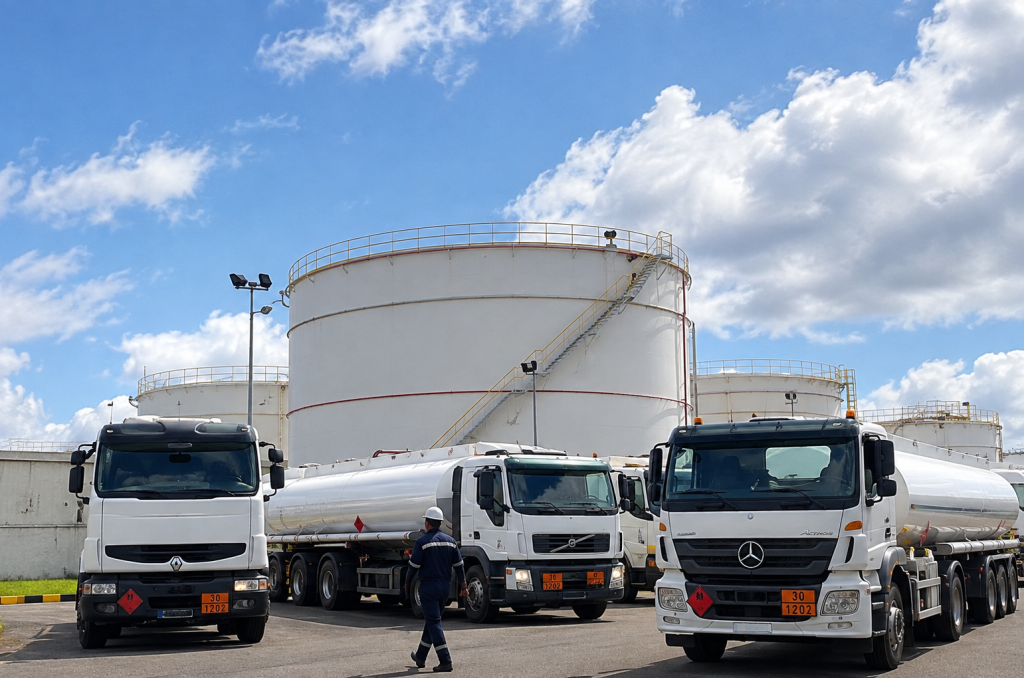
Madagascar’s Office of Hydrocarbons (OMH) is preparing to launch a new selection process for the supplier responsible for importing fuel for the Malagasy market during the first half of 2027. The initiative represents an important development in the country’s fuel supply system, as responsibility for selecting the trader now falls directly under the OMH following reforms to the legal framework governing the downstream petroleum sector.
The first stage of the process will involve a call for expressions of interest. Companies wishing to participate will have until October 5, 2026, to obtain and submit the initial application form electronically. A preliminary screening will then be conducted before the formal tender process begins. Among the key criteria to be assessed are the applicants’ financial strength and their ability to handle the maritime transportation of petroleum products to Madagascar.
The future contract will cover the period from January to June 2027 and will concern the importation of the main petroleum products used on the domestic market, namely diesel, gasoline and kerosene. For the OMH, the ability of the future supplier to guarantee a reliable logistics chain will be a central consideration. Madagascar remains heavily dependent on imports to meet its fuel requirements, making the continuity of maritime transport essential to maintaining supplies across the country.
The new procedure comes as OQ Trading, an Omani oil trading company, currently plays a central role in supplying Madagascar. Its contract was initially expected to expire at the end of November 2026. However, an extension has been planned so that its deliveries can continue until the end of December, ensuring continuity of supply during the transition toward the new system.
The reform also changes the distribution of responsibilities among the sector’s various stakeholders. Until now, the selection of the trader had been organized by the Petroleum Products Group of Madagascar (GPM). Under the new framework, the OMH will take responsibility for selecting the supplier responsible for fuel imports. The GPM will nevertheless continue to play a role in the domestic market and in supporting its members that hold the necessary licenses to operate in the sector. In the new arrangement, import operations are expected to fall more directly under the State, while purchases will be carried out by GPM members authorized to conduct such activities.
The issue is particularly significant for Madagascar because of its geographical position as an island and its exposure to international oil market conditions. Fluctuations in crude oil prices, combined with maritime transportation costs and geopolitical tensions in the Middle East, can directly affect the country’s fuel supply conditions. The OMH therefore intends to pay particular attention to securing the entire logistics chain.
The renewal of the fuel supplier for the first six months of 2027 will therefore represent an important step in the reorganization of Madagascar’s fuel supply system. The selection process will also determine which operators have the financial, commercial and logistical capacity required to ensure the regular delivery of petroleum products to Madagascar in an international environment characterized by significant volatility.
