
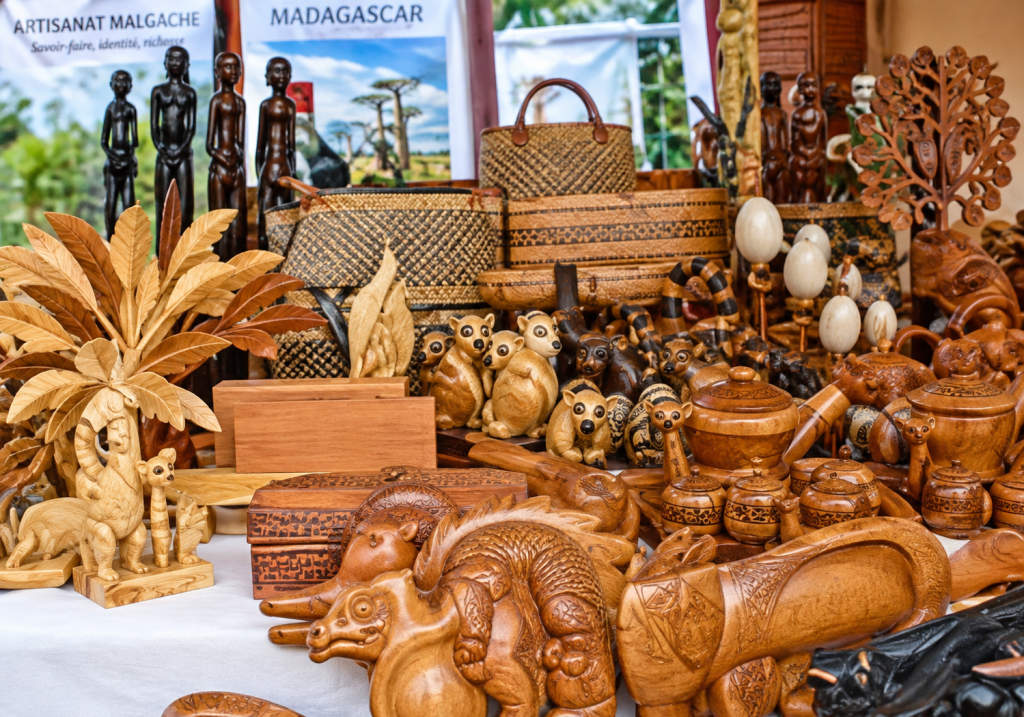
According to the minister, several Malagasy handicraft products still face difficulties during the export process. Some are reportedly held up at Ivato International Airport because they lack the necessary administrative authorizations. The forthcoming order is expected to clarify the conditions governing the export of various raw materials used in handicraft production, thereby reducing delays and making procedures more accessible to industry professionals. The Ministry of Tourism and Crafts, in collaboration with the Directorate General of Crafts, is currently working to finalize the procedures required to implement this new regulation.
This reform comes amid growth in Malagasy handicraft exports. Over the past twelve months, exports in this sector reached a value of 30.478 million US dollars. Building on this performance, the ministry aims to increase the sector’s export earnings by developing new commercial opportunities both across Africa and in international markets. Madagascar intends to make the most of opportunities offered by the Southern African Development Community (SADC) and the African Handicraft Development and Promotion Organization (ODEPA). As part of this initiative, the country plans to participate in 28 handicraft trade fairs, providing local producers with new opportunities to showcase their creations, increase their visibility and establish business partnerships.
Alongside simplifying export formalities, the authorities also plan to strengthen infrastructure dedicated to promoting handicrafts. The development of the major handicraft village in Ivato is among the ministry’s priority projects, with completion scheduled for December 2026. The sector’s development will also rely on consultations with stakeholders from 14 handicraft industries and the strengthening of vocational training programmes to improve artisans’ skills and the quality of their products.
Minister Lily Rafaralahy also emphasizes the importance of promoting locally made products to enhance the value of Malagasy craftsmanship. She highlights ongoing efforts to promote handicrafts and traditional clothing, including the initiative encouraging people to wear traditional attire every Friday. She is also calling on consumers to prioritize products made in Madagascar in order to support local producers, preserve cultural traditions and contribute to wealth creation across the country.
Through these various measures, the ministry aims to make handicrafts a genuine driver of economic development, job creation and cultural influence. Simplifying export procedures, combined with stronger promotion of locally made products, could enable Malagasy artisans to improve their competitiveness and seize greater opportunities in regional and international markets.