
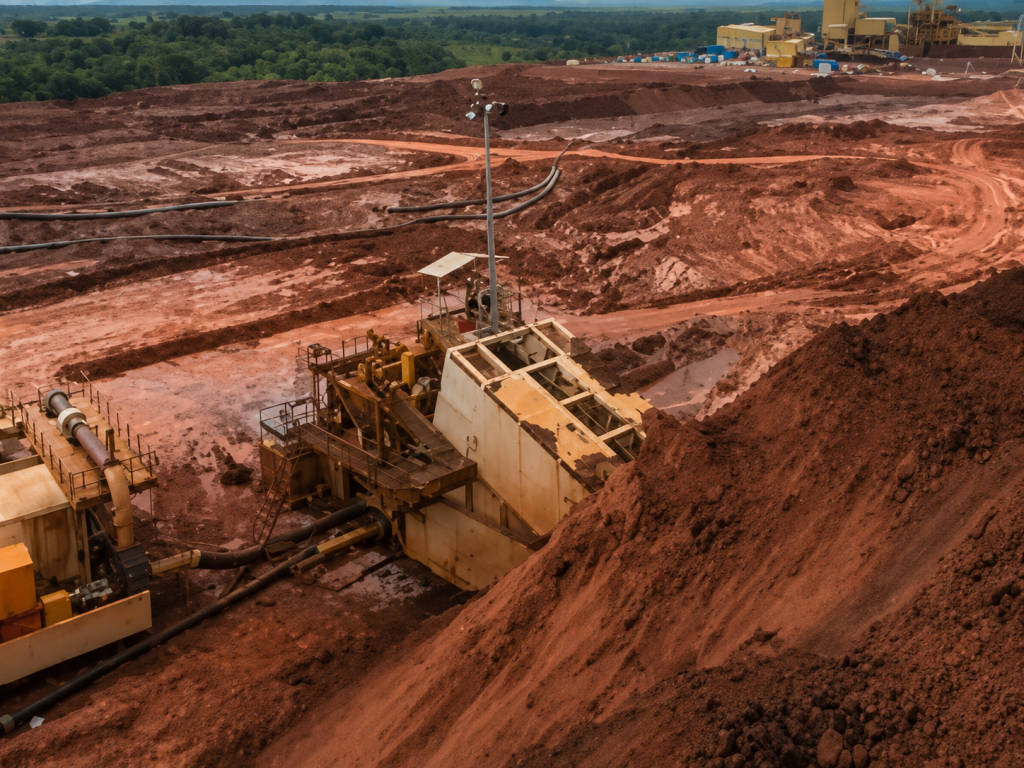
Madagascar holds considerable strategic mining potential thanks to its critical mineral resources, which are essential for the industries of the future, including electric batteries, digital technologies, renewable energy and high-tech equipment. However, a large share of projects related to these resources remains controlled by foreign actors, raising questions about the country’s ability to transform its natural wealth into a true driver of economic development.
According to analyses of the extractive sector, nearly 90% of critical mineral projects in Madagascar are currently in the hands of foreign investors. This situation highlights the strong international presence in the exploitation of Malagasy mineral resources, while the country continues to seek ways to increase local participation, promote domestic processing and ensure greater economic benefits for its population.
The island nation has significant strategic resources, including graphite, nickel, cobalt and other minerals that are increasingly important for the global energy transition. These resources have placed Madagascar at the center of attention for major economic powers seeking to secure their supply chains as global demand for critical minerals continues to rise.
The main challenge for Madagascar remains the local development and processing of these resources. For many years, several African countries have mainly exported raw minerals, limiting the creation of industrial jobs, technological development and the generation of added value within their own territories. For Madagascar, the objective is therefore to move beyond the role of a simple raw material supplier and develop processing industries capable of strengthening the national economy.
Building a local critical minerals industry could represent a major opportunity for the country. The availability of graphite, nickel, manganese, cobalt and other strategic resources creates potential opportunities in the production of battery components and green technologies. However, developing such an industry requires significant investment, suitable infrastructure, technical expertise and a stable economic environment.
The presence of foreign companies in Madagascar’s mining sector also brings investments, employment opportunities and export revenues. Some major mining projects already play an important role in the Malagasy economy through exports and foreign currency inflows. However, the key issue remains the distribution of the wealth generated and the country’s ability to retain a larger share of the benefits from its natural resources.
In this context, Madagascar must find a balance between attracting international investors and protecting its economic interests. Strengthening transparency, improving mining governance, developing local skills and encouraging mineral processing industries will be essential to ensure that critical minerals do not become merely exported resources with limited long-term benefits for national development.
As the global energy transition accelerates demand for strategic minerals, Madagascar faces a historic opportunity. The country has the resources needed to become an important player in the global market, but the real challenge will be transforming its underground wealth into economic growth, employment opportunities and sustainable development for future generations.