
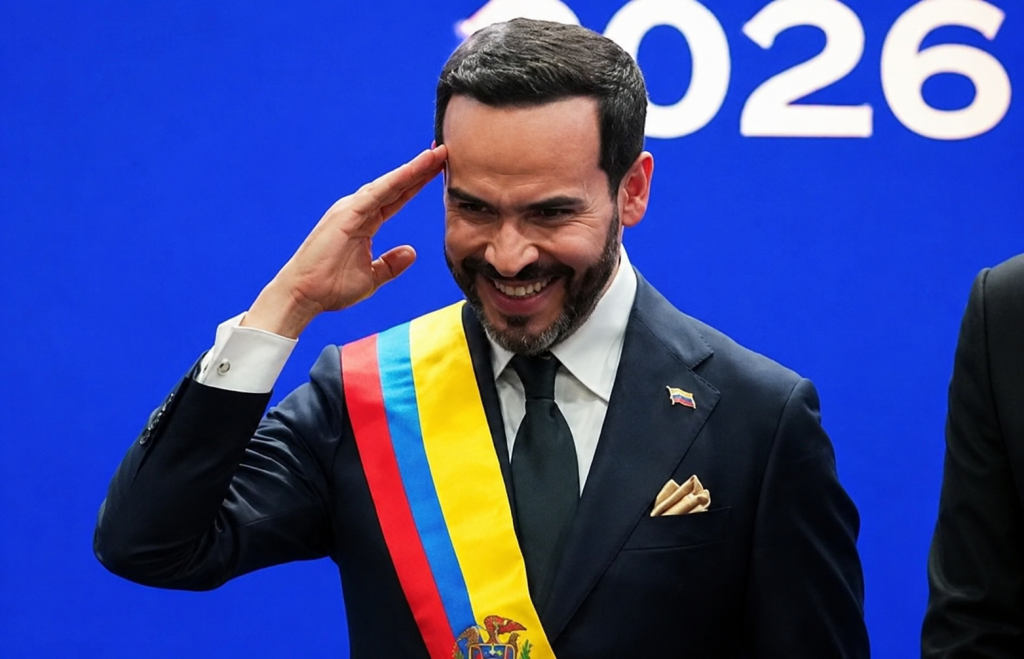
Colombia is undergoing a major shift in its security policy just days after the inauguration of its new president, Abelardo de la Espriella. On Sunday, August 9, 2026, six members of armed groups were killed during operations conducted by Colombian security forces, marking one of the first concrete demonstrations of the new government’s security strategy. The operations came just two days after the president took office on August 7 and illustrate the break with the “Total Peace” strategy pursued by his predecessor, Gustavo Petro.
According to available information, the six people killed belonged to two different armed organizations. Four were members of a dissident faction originating from the former Revolutionary Armed Forces of Colombia (FARC), while the other two belonged to the Gulf Clan, considered one of Colombia’s largest criminal organizations and a major player in the country’s drug-trafficking networks. The operations were carried out in particular in the department of Antioquia, in northwestern Colombia.
The military operation represents a strong political signal from the new administration. During his inauguration, Abelardo de la Espriella had promised to fight “without respite” against “narcoterrorism” and criminal organizations. The president now considers that the policy of dialogue with major armed groups has reached its limits. He therefore intends to rely more heavily on the country’s security forces and military capabilities.
The shift is particularly significant compared with the policy pursued by Gustavo Petro. The former president had placed the search for “Total Peace” at the heart of his administration, favoring negotiations and ceasefires with various armed organizations operating across Colombia. The strategy was intended to reduce violence by addressing the causes and dynamics that have sustained the country’s armed conflict. However, the new government argues that this approach failed to sufficiently contain the expansion of criminal groups and drug-trafficking networks.
Abelardo de la Espriella therefore wants to implement a much tougher security policy. The president said that the first operations under his administration were intended to send a “clear and forceful message” to criminal organizations. In his view, the state must demonstrate its ability to regain control of territories where armed groups continue to exercise significant influence. The president has also instructed security forces to carry out the necessary operations against groups that, according to him, were given too much room to operate under the previous administration.
The new approach comes against a particularly difficult security backdrop. Colombia is facing continued activity by armed groups, FARC dissident factions, criminal networks and organizations involved in drug trafficking. Competition for control of territories, trafficking routes and coca-growing areas continues to fuel violence in several parts of the country. The De la Espriella administration considers the fight against these organizations one of the central priorities of its term in office.
The choice of location for the presidential inauguration itself sent a security-related message. Abelardo de la Espriella was sworn in in Cali, in southwestern Colombia, a city that has faced serious problems related to crime and violence for several years. The new administration is therefore signaling that security will not be limited to the capital, Bogotá, but will remain a priority in areas particularly affected by armed groups and organized crime.
The president also intends to significantly strengthen the country’s security and law-enforcement apparatus. Among the measures announced are the construction of mega-prisons inspired by the model developed in El Salvador and an increase in airstrikes against guerrilla groups and drug traffickers. These proposals reflect a determination to pursue a strategy of direct confrontation with organizations considered threats to national security.
The beginning of the new presidency has nevertheless been marked by further violence. On Saturday, August 8, just one day after the inauguration, two explosions were reported. At least one police officer was killed and several people were injured. According to the Colombian military, members of a FARC dissident faction also used explosives to destroy a road toll station near Cali, slightly injuring two security officers. These incidents give added significance to the first military operations carried out under the new administration.
The rapid succession of these events highlights the scale of the challenge facing the new president. Colombia’s armed groups are not a single, homogeneous force: they pursue different objectives, and their activities are closely linked to territorial control, drug trafficking, illegal economies and local influence. The simultaneous presence of FARC dissidents, the Gulf Clan and other organizations makes any attempt to restore lasting state authority particularly complex.
A policy focused more heavily on military operations could allow the government to demonstrate its determination quickly and increase pressure on armed groups. However, this strategy also carries significant risks. An escalation of fighting could lead to population displacement, increased violence against civilians and a new cycle of conflict in regions that have already been deeply affected by decades of armed violence.
The key question will therefore be whether the president’s tougher strategy can actually reduce violence or whether it could instead trigger further escalation. The challenge is not limited to neutralizing armed combatants. It also involves restoring state authority, combating drug trafficking, protecting rural communities and reducing the economic influence of criminal organizations.
For Abelardo de la Espriella, the first military operations are therefore a major political test. The six deaths reported on August 9 represent the first demonstration of force by his administration, but they are not enough to assess the effectiveness of his long-term strategy. The government will now have to demonstrate that its promised firmness can translate into a lasting improvement in security on the ground.
Above all, this first offensive represents a symbolic break with Gustavo Petro’s approach. While the former administration emphasized dialogue and negotiations under the “Total Peace” policy, the new president is putting direct confrontation with armed and criminal organizations at the center of his strategy. The coming months will show how this change in doctrine affects security, drug trafficking, civilian populations and Colombia’s broader peace process.