
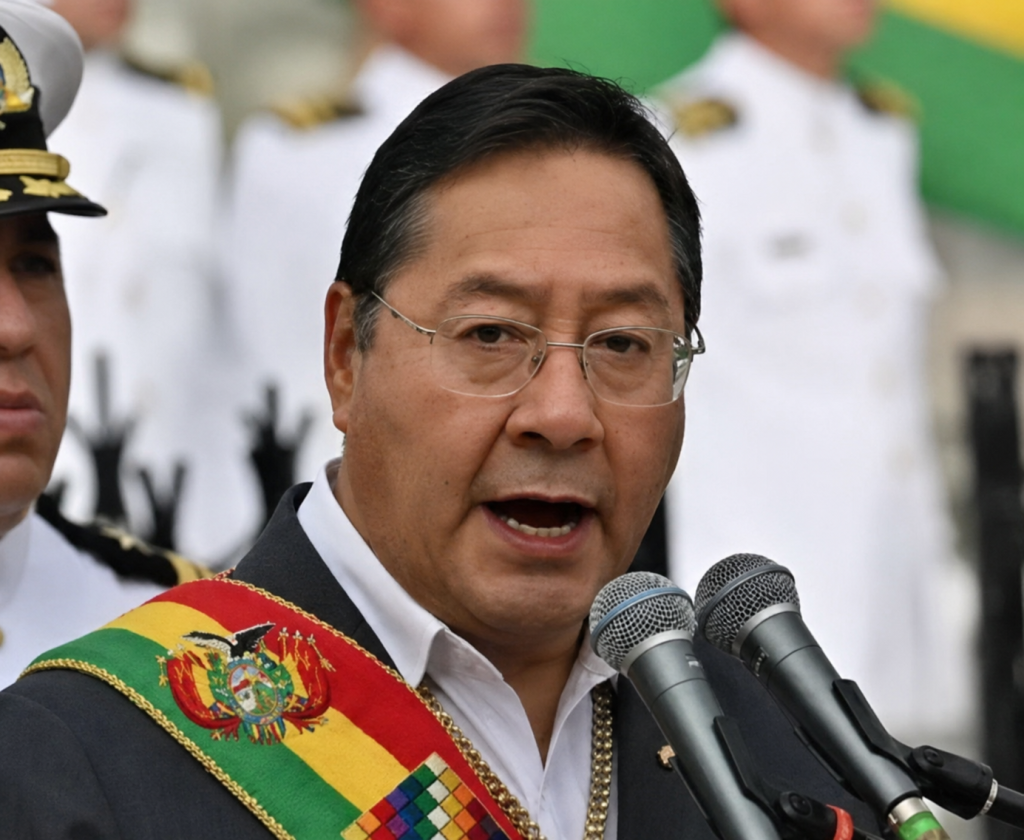
Bolivia is going through a new period of major political and social tension. President Rodrigo Paz declared a state of emergency across the country on Saturday, June 20, 2026, in response to a wave of protests marked by widespread road blockades that have disrupted the country for more than six weeks.
The decision comes amid a severe economic crisis, as trade unions, rural organizations, and various social groups criticize the government’s policies, particularly regarding rising living costs, fuel shortages, and growing economic difficulties. The protests have severely affected the supply of food, medicine, and essential goods, especially in areas surrounding La Paz.
By declaring a state of emergency, President Paz authorized stronger intervention by security forces to restore traffic and remove the roadblocks. The army and police began clearing several blocked routes, including areas around El Alto, one of the regions most affected by the demonstrations. According to the authorities, the objective is to guarantee freedom of movement and restore normal conditions throughout the country.
Rodrigo Paz stated that the measure was taken after several attempts at dialogue with protest groups failed. He accused some organizations of attempting to destabilize national institutions. However, opponents of the government criticized the decision, describing it as an overly strict response to a social crisis that, in their view, is rooted in the economic struggles faced by the population.
The crisis is largely linked to economic reforms introduced by the government, including reductions in certain public subsidies, particularly in the energy sector. These measures triggered strong public opposition, with protesters demanding better protection for purchasing power, improved access to essential products, and changes in economic policies.
A previous agreement had been reached between the government and the country’s main trade union organization, the Bolivian Workers’ Central (COB), in an effort to reduce tensions. However, several social groups, especially rural organizations and supporters of former president Evo Morales, decided to continue their mobilization.
The president’s decision marks a new period of uncertainty for Bolivia. While the government hopes that the state of emergency will quickly restore public order and revive economic activity, critics fear that the use of exceptional measures could deepen political and social divisions in a country already weakened by a major crisis.