
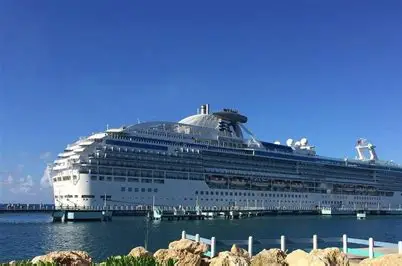
A luxury cruise in the Atlantic has turned into an international health emergency after a cluster of hantavirus cases was detected aboard the MV Hondius, prompting the World Health Organization (WHO) to launch an urgent response. The vessel, which departed from Argentina for a polar expedition before heading toward Cape Verde, is carrying around 150 passengers and crew members, now effectively confined at sea as authorities assess a situation that is both rare and alarming.
The alert was first raised in early April 2026 when several passengers began experiencing unusual symptoms, including fever, gastrointestinal issues, and acute respiratory distress. Since then, at least seven confirmed or suspected cases have been identified, including three fatalities. Among the victims are a Dutch couple and a German national, while a British passenger remains in intensive care in South Africa.
In response to the severity of the outbreak, authorities in Cape Verde denied the ship permission to dock, citing concerns about potential spread on land. The vessel remains offshore as specialized medical teams are deployed to conduct testing, monitor suspected cases, and coordinate possible medical evacuations.
Hantavirus is a rare disease typically transmitted to humans through contact with infected rodent droppings, urine, or saliva. However, the WHO suspects a far more unusual scenario in this case: possible human-to-human transmission. While extremely rare, this mode of transmission has been associated with the Andes virus strain found in South America, which can spread between individuals in close and confined environments.
Preliminary investigations suggest the virus may have been introduced onboard by a passenger who was already infected prior to embarkation, possibly following travel in South America. Other hypotheses point to exposure during shore excursions on remote islands, where passengers may have come into contact with infected rodents.
Despite these concerns, the WHO has emphasized that the overall risk to the global population remains low. Human-to-human transmission of hantavirus is difficult and typically requires close contact, significantly limiting the likelihood of widespread outbreaks. At this stage, no international travel restrictions have been recommended.
Nevertheless, the situation aboard the MV Hondius highlights the persistent health risks associated with confined environments and international travel. Passengers, now largely confined to their cabins, face growing anxiety as health authorities continue their investigations to identify the exact strain and determine appropriate containment measures.
This incident also serves as a reminder that, even in the post-COVID-19 era, cruise ships remain particularly vulnerable to infectious disease outbreaks. The MV Hondius case may lead to stricter international health protocols in the maritime tourism industry and reignite discussions on how to manage health emergencies at sea.