
According to an investigation published by The Guardian, over 600 migrants have already died or gone missing at sea since January 1, 2026, making the first weeks of the year among the deadliest ever recorded in the Mediterranean. These figures come from the Missing Migrants project, managed by the International Organization for Migration (IOM), which tracks deaths along global migration routes. Behind these numbers lies a structural and persistent crisis, revealing geopolitical tensions, socio-economic disparities, and the limitations of current migration policies.
The most recent tragedy occurred off the coast of Crete, where a boat departing from Tobruk in Libya capsized at sea. Harsh weather conditions, combined with the fragility of the vessel and passenger overcrowding, turned the crossing into a disaster. Several bodies were recovered, while dozens remain missing. As often, victims included minors and entire families. This incident highlights the persistent dangers of the Eastern Mediterranean route and forms part of a broader dynamic affecting the entire Mediterranean basin.
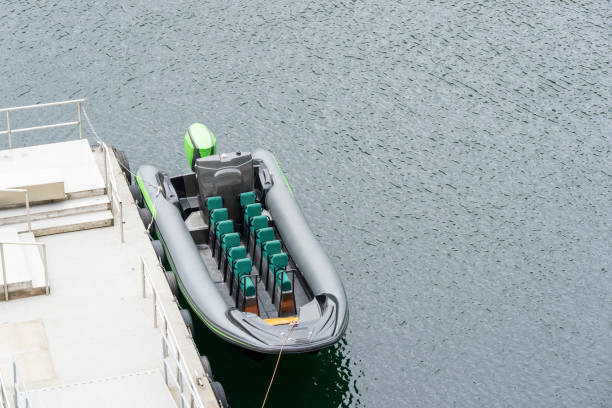
The deadliest route remains the Central Mediterranean, mainly connecting the Libyan and Tunisian coasts to Italy or Malta. This area has consistently seen the majority of shipwrecks. The boats used—often inflatable rafts or old wooden vessels are rarely seaworthy. Smuggling networks exploit the migrants’ vulnerability, taking advantage of North African instability and the lack of legal alternatives. Departures often occur at night under precarious conditions, with limited water, fuel, and safety equipment.
The rising death toll in early 2026 raises structural questions. Migration pressure remains high. Prolonged conflicts in Sudan, political instability in Libya, economic hardship in sub-Saharan Africa, and climate change effects continue to drive migration. European border policies have increasingly focused on externalization: cooperation with Libyan coastguards, agreements with transit countries, and tightened asylum procedures. While these measures aim to limit irregular arrivals, they do not necessarily reduce departures; instead, they may push migrants toward longer and more dangerous routes.
The IOM also emphasizes that published figures are likely underestimated. Many shipwrecks leave no trace—no survivors, no witnesses, no official reports. The Mediterranean has thus become one of the deadliest borders in the world. Since 2014, tens of thousands have lost their lives at sea. Each year, despite maritime monitoring and rescue missions, the human toll remains heavy.
This crisis goes beyond humanitarian concerns; it is also a major political challenge for the European Union, facing internal disagreements on asylum distribution, member state solidarity, and balancing security with fundamental rights protection. Coastal countries like Italy and Greece feel disproportionately burdened, while others favor stricter approaches. This fragmentation complicates the implementation of a coherent and sustainable strategy.
Moreover, the Mediterranean migration crisis is part of a global context of forced mobility. Worldwide population displacement has reached historic levels. As long as root causes armed conflicts, extreme poverty, weak governance, and climate change are not addressed collectively, migration flows will persist. International organizations converge on three key recommendations: strengthen search and rescue operations, expand safe and legal migration pathways, and invest in development and stabilization in countries of origin.
In early 2026, the symbolic milestone of 600 deaths in less than two months serves as a stark warning. It reminds us that the Mediterranean is not just a space of economic and cultural exchange, but also a tragic border where the fate of thousands is decided. Beyond statistics, each number represents a life cut short, a family shattered, and a trajectory of hope ending at sea. The recurrence of such tragedies questions the international community’s ability to reconcile border control with humanitarian imperatives in a region that has become the epicenter of a sustained migration crisis.