
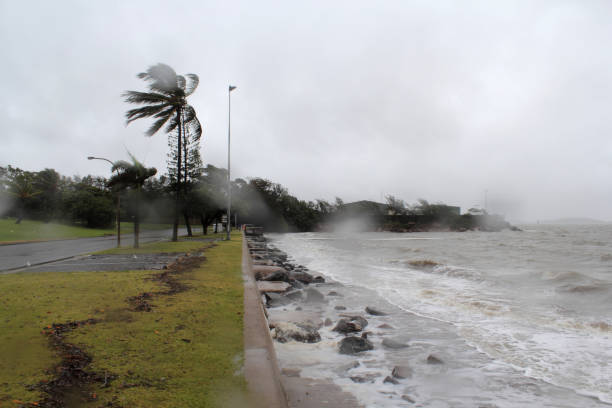
Tropical Cyclone Fytia struck Madagascar between January 31 and February 1, 2026, crossing the island from west to east and causing severe disruption in several regions. Classified as a strong tropical system, Fytia brought torrential rainfall, violent winds, and sudden flooding, leading to significant damage as soon as it made landfall.
Initial assessments reported three deaths and more than 28,000 people affected by the cyclone. However, as of February 3, 2026, Malagasy authorities, through the National Bureau for Risk and Disaster Management (BNGRC), have revised the figures upward, confirming at least seven fatalities and over 54,000 people impacted, reflecting the true scale of the disaster as data continues to be consolidated.
Material damage has been extensive, particularly affecting residential housing, public infrastructure, and transport networks. Hundreds of homes have been completely destroyed, while thousands of others were partially damaged or flooded, leaving many families homeless and severely disrupting daily life in the affected communities.
The North-Western regions, especially Soalala, Marovoay, and Mahajanga, were among the hardest hit areas. The Analamanga region, including Antananarivo, also experienced heavy rainfall, resulting in urban flooding, road closures, and major disruptions to economic, administrative, and educational activities.
From a meteorological perspective, although Cyclone Fytia has moved away from Madagascar, weather services continue to report unstable conditions across several parts of the country. The risk of river flooding, landslides, and localized inundations remains high, prompting authorities to maintain heightened alert levels in vulnerable zones.
In response to the crisis, Malagasy authorities, in coordination with national and international humanitarian partners, have intensified emergency relief operations. These efforts include the establishment of temporary shelters for displaced populations, the distribution of food and essential supplies, and ongoing assessments of humanitarian needs on the ground.
The passage of Cyclone Fytia occurs during the cyclone season in the south-west Indian Ocean, which typically runs from November to April. This event once again highlights Madagascar’s vulnerability to extreme weather events, exacerbated by climate change and fragile infrastructure, while official damage and casualty figures may continue to evolve in the coming days.