
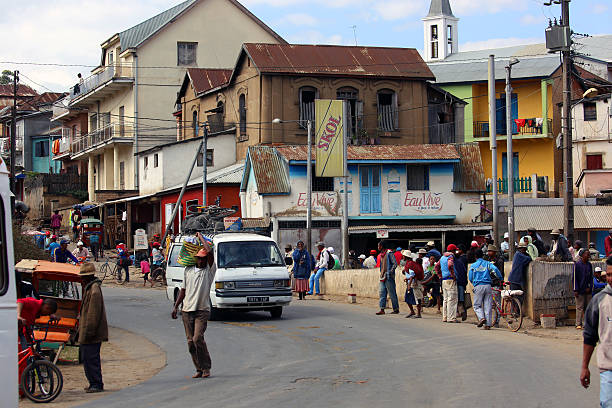
Madagascar is placing its economic priorities back at the center of national discussions. Following recent consultations, several strategic areas have been highlighted to support investment, improve competitiveness, and foster job creation across the country. Among the sectors identified as priorities are the business environment, taxation, agribusiness, digital technology, textiles, and tourism.
The stated objective is clear: to reduce the structural obstacles that continue to slow private sector development and limit the country’s attractiveness to investors. In this context, improving infrastructure remains one of the biggest challenges ahead. This issue is crucial for the Malagasy economy, as the quality of roads, energy supply, logistics, and basic services directly affects the ability of businesses to produce, export, and grow under better conditions.
This direction reflects a broader ambition to build a more dynamic and resilient economy at a time when Madagascar is seeking to capture more regional and international opportunities. Strengthening agribusiness, for example, could help the country add greater value to local resources and reinforce agricultural value chains. Digital technology, meanwhile, is seen as a key driver of modernization, innovation, and wider access to services. As for textiles and tourism, both remain high-potential sectors for growth, foreign exchange earnings, and employment.
Beyond the stated priorities, the success of this economic drive will depend on the effective implementation of reforms. Businesses generally expect a more transparent environment, more stable rules, and greater administrative efficiency in order to invest over the long term. Madagascar is therefore seeking to send a positive signal to economic partners while working to align its national priorities with the expectations of the private sector and international donors.
The emphasis on these priorities comes at a time when the country’s economic transformation depends on several key balances: attracting more capital, supporting local businesses, strengthening infrastructure, and improving the conditions for more inclusive growth. While these priorities will still need to translate into measurable results, they nevertheless confirm the government’s intention to place productive investment and job creation at the heart of the national economic strategy.