
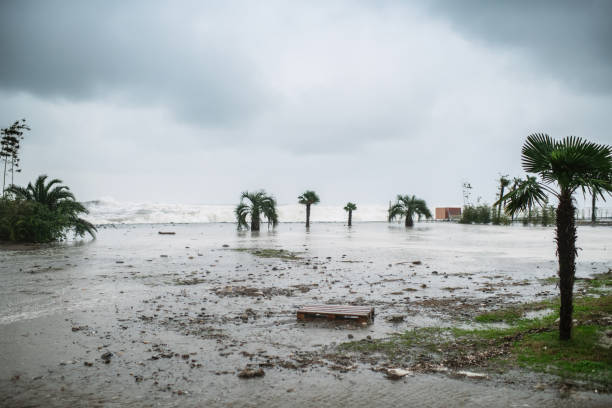
The government of Madagascar has officially appealed for international assistance following the devastating impact of Tropical Cyclone Gezani, which struck the country’s eastern coast with exceptional force. According to reports from Africanews, the disaster has resulted in significant human and material losses, pushing several regions into a state of humanitarian emergency.
The cyclone made landfall near Toamasina, the country’s second-largest city, with winds reaching approximately 250 km/h. Violent gusts and torrential rainfall triggered severe flooding, destroyed homes, damaged power infrastructure, and cut off major transport routes. Entire neighborhoods were submerged, leaving thousands of families homeless.
According to figures released by the Office National de Gestion des Risques et des Catastrophes (BNRGC), the human toll is severe, with dozens of fatalities, hundreds of injuries, and several people reported missing. Thousands of residents have been displaced and relocated to emergency shelters. In addition, tens of thousands of homes have been destroyed or severely damaged, further deepening the vulnerability of affected communities.
The situation is particularly critical as access to the hardest-hit areas remains challenging. The main national road linking the eastern region to Antananarivo has suffered damage in multiple sections, slowing the delivery of emergency aid and essential supplies. Power outages and disruptions to communication networks are also complicating relief coordination efforts.
In response to the scale of the destruction, Malagasy authorities have declared a national disaster and called on the international community for support. Immediate priorities include the provision of clean drinking water, food assistance, emergency medical care, and temporary shelter for displaced populations. The reconstruction of key infrastructure roads, schools, and health centers will also be a major challenge in the weeks ahead.
Cyclone Gezani comes at a time when Madagascar is already facing structural vulnerabilities linked to recurring extreme weather events during the cyclone season. The World Food Programme (WFP) has warned of growing humanitarian needs, emphasizing that national resources remain insufficient to cope with consecutive disasters.
As relief operations continue, the scale of the devastation highlights the country’s ongoing exposure to climate-related shocks. The government’s appeal for international solidarity aims to mobilize urgent funding, logistical support, and technical expertise to prevent a worsening humanitarian crisis and to support the long-term recovery and reconstruction of affected regions.