
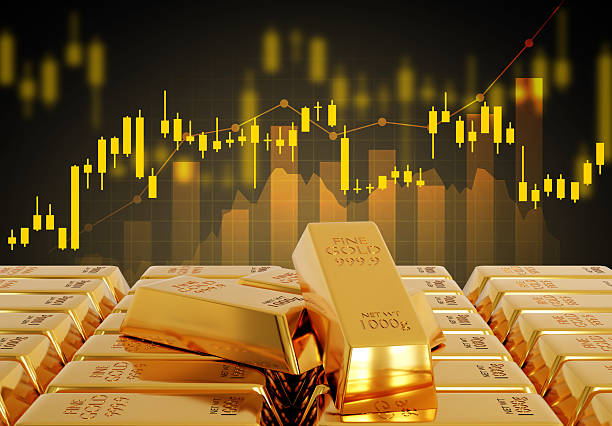
Gold prices have reached an unprecedented milestone, surpassing $5,000 per ounce and marking a historic turning point in global financial markets. This sharp rise reflects a growing accumulation of geopolitical, economic, and monetary risks, prompting investors to shift away from assets perceived as more exposed to instability.
Persistent international tensions stemming from armed conflicts, strategic rivalries among major powers, and the increasing fragmentation of global trade continue to fuel a climate of prolonged uncertainty. In this environment, gold has reaffirmed its traditional role as a safe-haven asset, offering protection against political shocks and systemic risks.
Trade-related uncertainties have also played a significant role in driving demand for gold, as global commerce remains affected by protectionist policies, economic sanctions, and fragile supply chains. These factors undermine corporate visibility and global growth prospects, reinforcing investor caution and increasing demand for tangible assets that are less correlated with financial markets.
From a monetary perspective, the surge in gold prices reflects growing doubts about the effectiveness and sustainability of policies implemented by major central banks. Questions surrounding future interest rate paths, inflation control, and the rising burden of public debt have weakened confidence in fiat currencies, particularly the US dollar.
The depreciation of the dollar has further supported gold prices by making the metal more attractive to investors holding other currencies. This trend has been amplified by heightened volatility in equity and bond markets, encouraging broader portfolio diversification.
At the same time, institutional demand for gold has intensified, notably from central banks seeking to strengthen their strategic reserves. This accumulation signals a desire to reduce reliance on dominant currencies and to enhance financial resilience in an increasingly uncertain global monetary order.
By crossing the symbolic $5,000 threshold, gold has emerged as a leading indicator of global economic imbalances. According to many analysts, this upward trend could persist as long as geopolitical tensions, trade uncertainties, and monetary fragilities continue to weigh on the global economic outlook.