
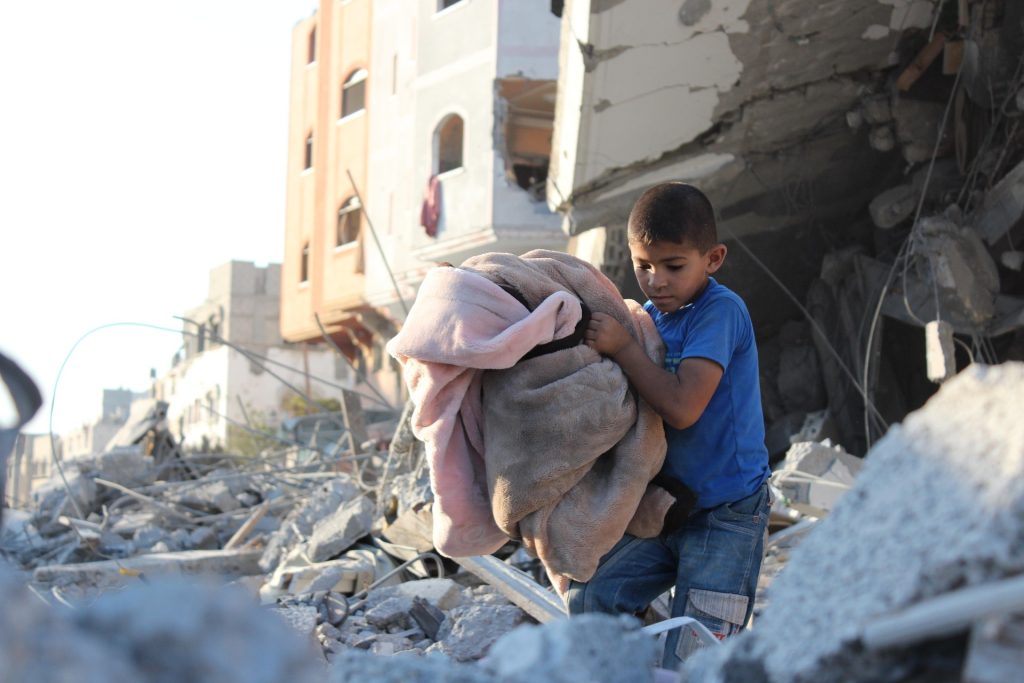
In Gaza, humanitarian operations could reach a critical turning point in the coming weeks. Several dozen international non-governmental organizations risk losing their authorization to operate in the territory following new administrative measures introduced by Israel. This situation has raised serious concern within the international humanitarian community.
Some of these NGOs have been active on the ground for many years, providing essential services to the civilian population, particularly in healthcare, food assistance, psychosocial support, and the protection of vulnerable groups. The potential deregistration of these organizations comes amid an already severe humanitarian crisis, resulting from months of conflict, widespread destruction, and extremely precarious living conditions.
The framework governing the registration of humanitarian organizations has recently been revised. NGOs are now required to comply with stricter procedures, overseen by an Israeli ministry responsible for combating antisemitism and managing diaspora affairs, in coordination with military authorities in charge of the Palestinian territories. These new regulations include enhanced security screening of Palestinian staff and prohibit any activity that could be interpreted as politically challenging Israel.
For many organizations, these criteria remain vague and open to interpretation. Some fear that the new requirements are being used to limit their presence on the ground or to restrict their ability to document humanitarian conditions. Several NGOs have already had their applications rejected or left pending, preventing them from deploying international staff, delivering medical equipment, or transporting life-saving aid into Gaza.
In response, a broad coalition of humanitarian organizations and international institutions has raised the alarm. According to them, excluding these actors could significantly weaken humanitarian assistance and further worsen the suffering of the civilian population, which is already facing shortages and the collapse of essential infrastructure.
Israeli authorities justify these measures as necessary to prevent aid from being diverted to armed groups. NGOs, however, denounce what they see as the politicization of humanitarian action and warn of a drastic reduction in access to aid for Gaza’s civilians.
As the deadline for renewing authorizations approaches, uncertainty remains high. The future of many humanitarian organizations in Gaza now depends on administrative decisions that could profoundly reshape the landscape of international aid in the Palestinian enclave.