
Recent episodes of flooding in Southern Africa illustrate the increasing intensity of extreme weather events in tropical and subtropical regions. Mozambique is among the countries most severely affected due to its geographical vulnerability, the growing frequency of intense rainfall, and the structural fragility of its infrastructure. This situation has led to a major humanitarian crisis with significant social, health, and economic implications.
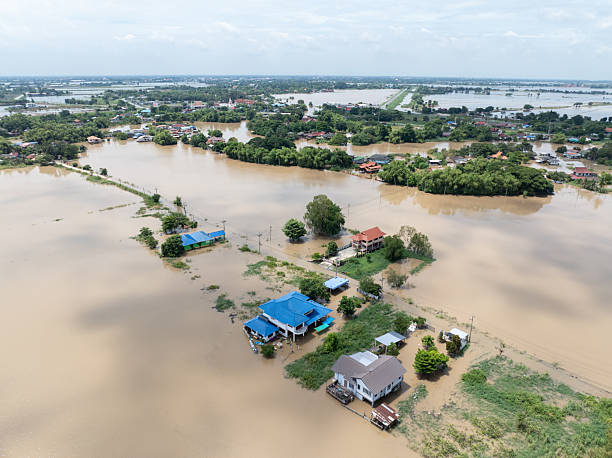
Exceptionally heavy rainfall recorded over several weeks caused the overflow of numerous rivers and the submergence of extensive residential and agricultural areas. Several Mozambican provinces were affected, resulting in large-scale population displacement. Hundreds of thousands of people were forced to leave their homes, often abruptly, and seek refuge in temporary shelters or areas considered safer. These displacements have placed considerable strain on reception facilities that already suffer from limited resources.
From a socio-economic perspective, the floods caused widespread destruction of housing, transport infrastructure, and cultivated land. The loss of crops threatens household food security, particularly in rural areas where subsistence agriculture is the primary source of income and nutrition. In the medium term, these losses are likely to exacerbate poverty and slow local economic recovery.
Health consequences represent another critical concern. The contamination of drinking water sources, overcrowding in temporary shelters, and disruption of health services significantly increase the risk of waterborne and infectious diseases. Vulnerable populations, including children, the elderly, and pregnant women, are especially exposed to these risks. In addition, secondary phenomena, such as the increased presence of dangerous wildlife displaced by floodwaters, highlight the profound disruption of local ecosystems.
This crisis is not confined to Mozambique alone. Flooding has affected several neighboring countries, underscoring the regional nature of the phenomenon and the need for coordinated transnational responses. It reveals the limitations of national capacities in the face of increasingly severe climatic shocks and reinforces the importance of support from international humanitarian organizations.
From a scientific and policy perspective, these events occur within the broader context of climate change, characterized by an increase in the frequency and intensity of extreme weather events. They emphasize the urgency of strengthening prevention, adaptation, and risk management strategies, particularly through improved early warning systems, territorial planning, and investment in resilient infrastructure.
Ultimately, the recent floods in Mozambique represent an emblematic case of contemporary climate-related challenges in developing countries. They demonstrate that responses to such crises must go beyond emergency assistance and be embedded in an integrated approach combining humanitarian action, sustainable development, and long-term climate policies.