
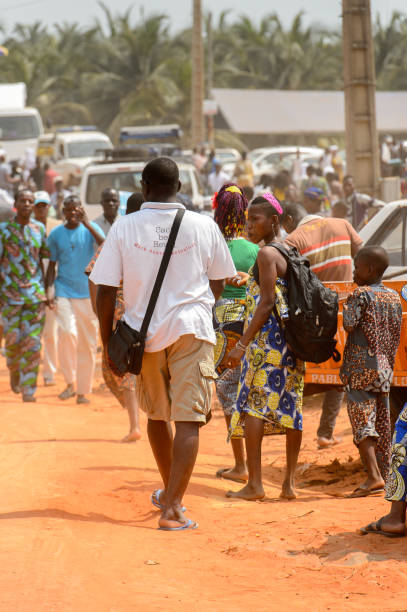
The Ivory Coast is facing an unprecedented migratory pressure, with tens of thousands of people fleeing insecurity and political crises in neighboring countries notably Burkina Faso, Mali, Guinea and, in some border areas, Ghana. Seen as a relative island of stability in West Africa, the country now finds itself at the center of a multidimensional challenge: to receive and protect vulnerable populations while preserving social cohesion and national security.
The sudden arrival of large numbers of refugees strains the country’s reception capacity. Immediate needs include shelter, safe water, healthcare, nutrition and protection for the most exposed groups women, children and the elderly. Robust biometric registration and coordinated humanitarian action are essential to avoid duplication, ensure fair distribution of aid and prevent exploitation. Without rapid financial and logistical reinforcements, informal camps and reception sites risk deteriorating, further increasing the vulnerability of displaced people.
The short‑term socioeconomic consequences are tangible and potentially long‑lasting. A sudden population increase places pressure on local labor markets, public services and both urban and rural infrastructure. While economic integration of newcomers can eventually bring benefits additional labor, increased commercial activity the immediate effect often includes heightened competition for low‑skilled jobs, upward pressure on local prices and tensions over access to resources. The state’s ability to support host communities through targeted programs will largely determine whether these pressures translate into social friction or managed integration.
Heightened vigilance is required on the security front. Migratory flows can be exploited by armed groups or criminal networks seeking to infiltrate fighters, contraband or illicit supply chains. Strengthening border controls and intelligence capabilities is necessary, but such measures must be balanced with protection guarantees for refugees to avoid human rights violations. An exclusively securitized response risks deepening mistrust and obstructing humanitarian operations.
This crisis underscores the limits of unilateral responses. The root causes of displacement political instability, jihadist violence, poverty and climate stress extend beyond Ivorian borders. Sustainable solutions demand reinforced cooperation among West African states, greater support from international organizations and burden‑sharing mechanisms for refugee reception. Effective, transparent crisis management could enhance Abidjan’s standing as a regional stabilizer; conversely, mismanagement could weaken its diplomatic position and domestic legitimacy.
To mitigate risks and seize potential opportunities, several priorities emerge: strengthen humanitarian coordination; mobilize international funding; implement support programs for host communities (infrastructure, employment, social services); deploy smart border management coupled with protection safeguards; and promote regional stabilization and development initiatives. Clear, consistent public communication is also crucial to counter misinformation and calm intercommunal tensions.
The influx of refugees into the Ivory Coast is both a test of regional solidarity and a governance challenge for the Ivorian state. How authorities, humanitarian actors and international partners respond in the coming weeks and months will shape not only the fate of displaced people but also the country’s social resilience and political stability. An integrated strategy that combines immediate assistance with long‑term policies remains the only viable path to turn this crisis into a coordinated and durable response.