
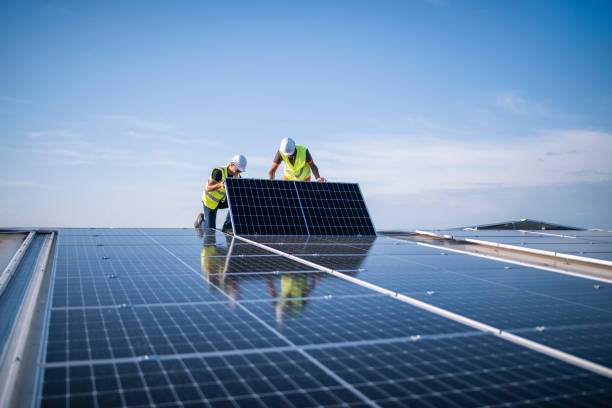
Africa is at a strategic turning point in its energy transition, facing the dual challenge of ensuring universal electricity access while contributing to global climate mitigation. The Sustainable Energy Fund for Africa (SEFA), managed by the African Development Bank (AfDB), has announced a substantial increase in its funding, expected to reach $2.5 billion over the next two years, aiming to stimulate private investment and strengthen sustainable energy capacity across the continent. This decision reflects the AfDB and international partners’ clear commitment to positioning Africa as a major player in renewable energy development.
The African context, however, remains complex. Despite its exceptional solar, wind, and hydropower potential, the continent still attracts less than 5% of global renewable energy investments, and many countries remain heavily dependent on imported fossil fuels. SEFA’s approach combines direct financing, loan guarantees, and technical assistance to reduce perceived risks for private investors and promote the emergence of viable, sustainable projects. Between 2024 and 2025, the fund supported 14 projects in five countries, generating nearly 840 MW of additional capacity and connecting 1.5 million households to electricity. These interventions demonstrate the fund’s ability to combine social impact with economic viability.
Analysis of recent funding shows a targeted and diversified strategy: direct loans to innovative companies, such as support for a Namibian green hydrogen producer, alongside guarantees to facilitate the expansion of urban and rural electricity networks, as seen in Côte d’Ivoire. Additionally, SEFA invests in decentralized solutions such as mini-grids and clean cooking systems, enabling access to remote areas and increasing energy inclusion. This approach reflects a deep understanding of Africa’s structural challenges: the energy transition is not limited to electricity production—it also involves accessibility, sustainability, and socio-economic integration.
Beyond immediate electrification impacts, these investments contribute to global climate objectives. Africa, historically a low emitter of greenhouse gases, is disproportionately affected by climate change. By strengthening renewable energy investments, SEFA not only reduces dependence on fossil fuels but also fosters the development of a green energy market capable of attracting further private capital in the long term. The fund’s stated goal of mobilizing $10 billion by 2030 demonstrates its ambition to create significant leverage to transform Africa’s energy sector.
However, challenges remain. Coordination with local governments, regulatory stability, and the technical capacity of operators are critical factors for project success. SEFA’s effectiveness will depend as much on its ability to mobilize resources as on its capacity to navigate heterogeneous national contexts, sometimes marked by political or infrastructure constraints.
In conclusion, SEFA’s enhanced funding represents a major step for Africa’s energy transition, offering a model of public-private cooperation and a concrete response to the continent’s energy needs. It sends a strong signal to international investors and African nations that economic growth and sustainable development can now be supported by innovative and resilient energy strategies while actively contributing to climate change mitigation.