
France has officially identified Iran as responsible for a major cyberattack targeting the refrigeration systems of more than 700 supermarkets across the country on the night of October 11–12, 2026. Considered unprecedented in its scale and nature, the cyber operation caused significant material damage, several fires and the destruction of large quantities of food. The financial losses are estimated at tens of millions of euros.
According to the findings of French authorities, the cyberattack was allegedly commissioned by the cyber command of Iran’s Islamic Revolutionary Guard Corps (IRGC) and carried out by its specialized unit, Shahid Kaveh. Investigators identified several technical indicators, including the use of the Persian language during the operation and IP addresses associated with terminals located in Iran. These findings strengthened suspicions regarding Tehran’s involvement.
The investigation involved several French institutions, including the Office for Combating Cybercrime (OFAC), the General Directorate for Internal Security (DGSI), the General Directorate for External Security (DGSE) and the National Cybersecurity Agency of France (ANSSI). International cooperation, particularly with British, German and other European services, also contributed to the investigation. According to reports, Israeli intelligence services may have provided information that helped identify those responsible, although Israeli authorities stated that they were unaware of any involvement by their services in the case.
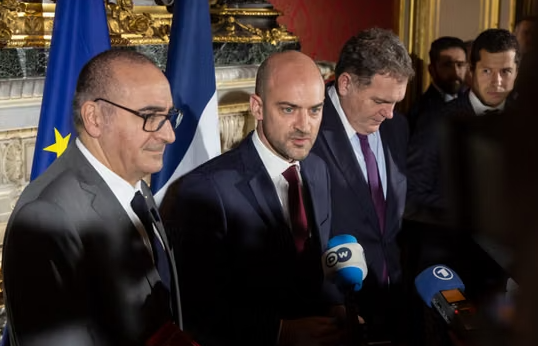
On November 9, France’s Minister for Europe and Foreign Affairs, Jean-Noël Barrot, publicly denounced Iran’s alleged responsibility during a high-profile intervention in Paris, on the sidelines of a G7 meeting. This statement marked a significant shift in France’s diplomatic approach. Paris generally favors confidential discussions and discreet diplomatic measures when addressing foreign interference. This time, however, French authorities chose to make their findings public in order to directly condemn actions attributed to a foreign state and demonstrate their determination to defend national sovereignty.
France’s reaction also reflects the tangible consequences of the attack on the population and economic infrastructure. By targeting refrigeration systems in major supermarkets, the alleged perpetrators disrupted equipment essential to the daily operations of food retailers. Beyond the financial losses, the incident exposed the vulnerability of connected equipment and highlighted the risks posed by cyberattacks against infrastructure used by millions of people.
The case comes amid particularly strained relations between Paris and Tehran. Disagreements over Iran’s nuclear programme, the reinstatement of international sanctions and France’s positions on tensions in the Middle East have progressively worsened bilateral relations. France also considers Iran’s offensive cyber activities an increasingly serious threat to its national security. For Paris, publicly identifying Iran is therefore both a deterrent measure and a way of exposing alleged interference operations carried out by foreign powers.
For its part, Iran has firmly rejected the French accusations and denied any involvement in the operation. Iran’s ambassador to France, Mohammad Amin Nejad, was reportedly summoned to the French Ministry of Foreign Affairs following Jean-Noël Barrot’s statements. Tehran considers the accusations unfounded and denounces a further deterioration in relations between the two countries.
In response, France is considering several measures, including potential European sanctions and other diplomatic or security actions. The government also intends to strengthen its cybersecurity systems to prevent similar attacks against national infrastructure.
This cyberattack therefore represents a turning point in France’s approach to digital threats. It demonstrates how cybersecurity has become a major issue involving national sovereignty, economic security and international relations. By publicly naming Iran, Paris is sending a strong message to state actors suspected of conducting offensive cyber operations against French interests.
