
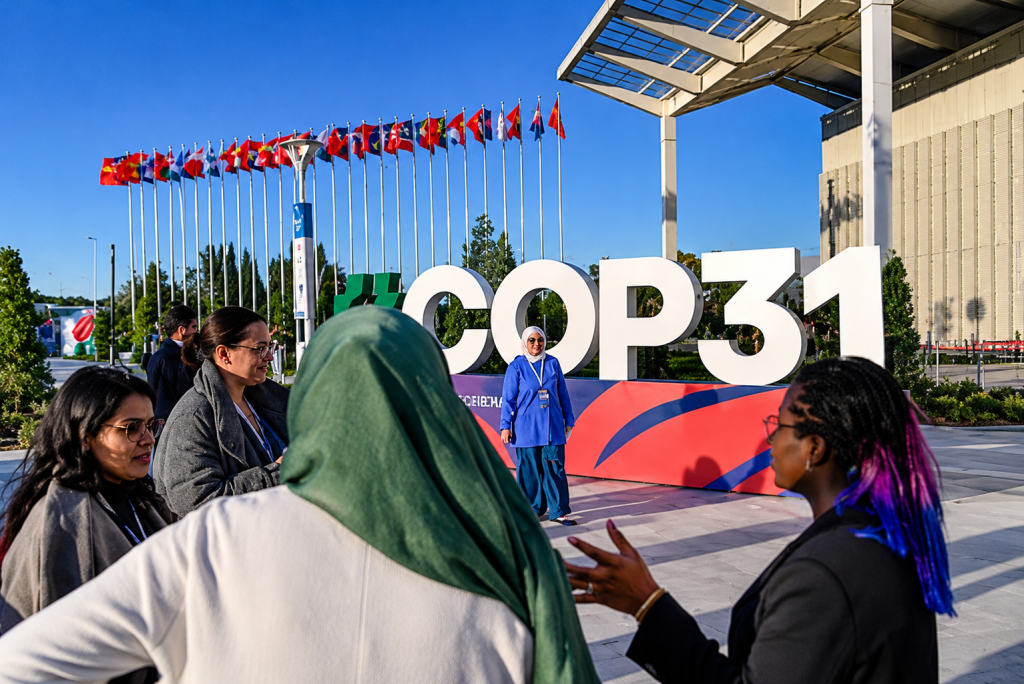
Scheduled to run from November 9 to 20, the conference brings together representatives from more than 190 countries, alongside political leaders, scientists, international organizations and civil society representatives. The discussions are taking place as the consequences of global warming become increasingly visible worldwide, particularly through more frequent heatwaves, floods, droughts and other natural disasters. According to the latest scientific assessments, 2026 is expected to rank among the four warmest years ever recorded. Global temperatures continue to approach the limits established under the 2015 Paris Agreement.
In response to this situation, António Guterres emphasized the urgent need to accelerate international efforts to reduce greenhouse gas emissions. He urged governments to strengthen their climate policies, speed up the energy transition and progressively reduce their dependence on fossil fuels, which remain a major contributor to global warming. The UN Secretary-General also stressed that commitments made at previous climate conferences are no longer sufficient if they are not effectively implemented.
Climate finance is another major issue on the agenda at this year’s conference. Developing countries, which are particularly vulnerable to the effects of climate change, are calling for greater financial support from wealthier nations. Such funding is essential to strengthen infrastructure, protect vulnerable populations, develop early warning systems and adapt economies to changing environmental conditions. Negotiations are therefore expected to focus on advancing financial mechanisms for climate adaptation and the energy transition, while avoiding further debt burdens for the most vulnerable countries.
Meanwhile, Türkiye’s COP31 presidency aims, among other priorities, to promote the electrification of more than one-third of the global economy by 2035. This initiative seeks to reduce dependence on fossil fuels across transportation, buildings and industrial activities. However, the proposal also raises questions about the need to ensure that additional electricity comes from low-carbon energy sources.
Furthermore, geopolitical tensions, disruptions in energy markets and rising electricity demand driven by the development of artificial intelligence are making international negotiations increasingly complex. In this context, international cooperation remains essential to balancing energy security, economic development and environmental protection.
Beyond political statements and diplomatic commitments, COP31 represents another opportunity to assess whether countries are genuinely prepared to meet their climate targets and respond effectively to the challenges ahead. For António Guterres, the time for promises must now give way to meaningful action, as climate change increasingly threatens populations, economies and ecosystems across the world.