
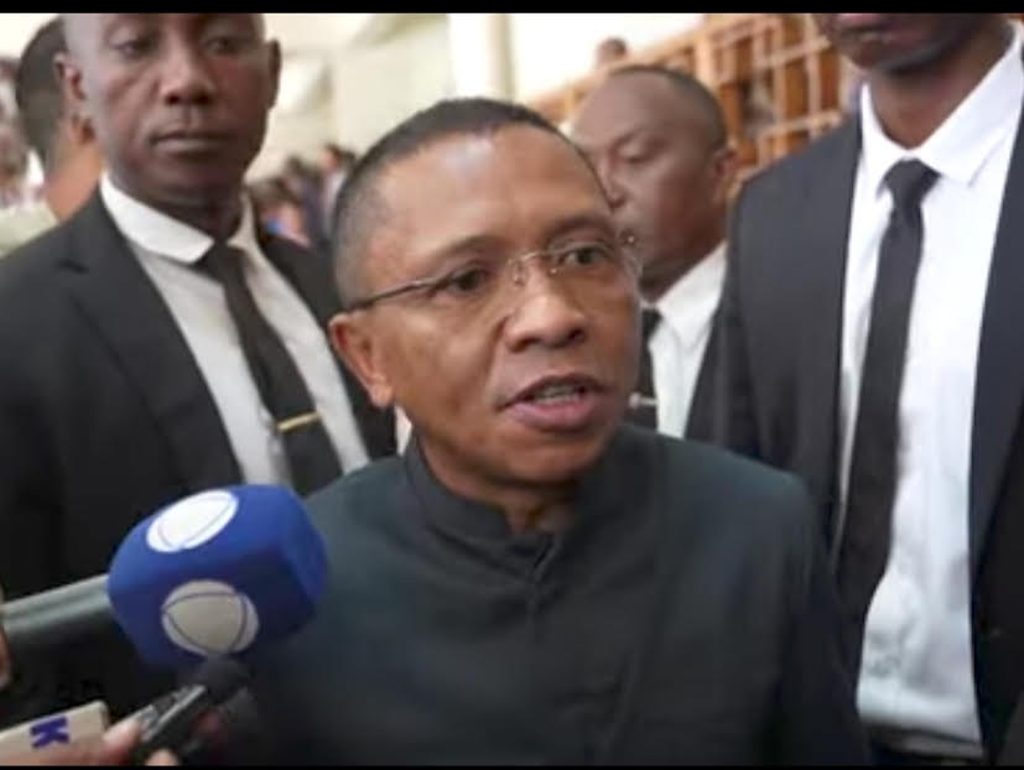
The Malagasy government is continuing preparations for the 2027 Initial Finance Bill (PLFI), with budgetary priorities currently under review to determine how public resources should be allocated to meet the population’s needs. According to Prime Minister Mamitiana Rajaonarison, the draft legislation is undergoing an arbitration process aimed at identifying the government’s main spending priorities for the coming year. The announcement was made on October 21, 2026, on the sidelines of the opening of the second ordinary session of the National Assembly at the Tsimbazaza Palace in Antananarivo. This stage represents a key step in defining the country’s financial and economic policy for 2027.
The Ministry of Economy and Finance is responsible for finalizing the draft budget, which must undergo further government-level discussions and decisions. The process is intended to establish a hierarchy of public expenditure priorities and distribute available resources among the different sectors requiring government support. Once this phase is completed, the bill will be presented to the Council of Ministers before being submitted to the National Assembly for examination. Parliamentary discussions will allow lawmakers to assess the proposed allocations and the resources intended to implement the government’s objectives.
Among the planned expenditures is funding for the upcoming elections. The Minister of Economy and Finance, Dr. Herinjatovo Ramiarison, indicated that the government had already planned to include budgetary provisions for organizing these electoral processes. The first electoral deadlines are expected in the second half of 2027, subject to any changes to the timetable established by the authorities. However, no specific date has yet been announced, and the amount allocated to election-related operations has not been disclosed. The inclusion of these provisions nevertheless highlights the need to anticipate the financial requirements associated with preparing for the next elections.
Beyond electoral spending, several essential sectors have been identified as government priorities. The authorities intend to continue rehabilitating roads to improve transportation conditions and facilitate the movement of goods. Investment in road infrastructure is particularly important for commercial exchanges, freight transportation and access to essential services. In a country where transport difficulties can hinder economic activity, upgrading the road network could help support production, improve regional connectivity and strengthen trade between different parts of Madagascar.
Access to drinking water and the resolution of electricity supply problems are also among the government’s stated priorities. These two areas are essential to improving household living conditions, supporting businesses and encouraging economic development. Health and education have likewise been identified as priority sectors, underscoring the importance of essential public services in the preparation of the 2027 budget.
The budget arbitration process must therefore enable the government to balance the population’s needs against the financial resources available to the state. The decisions made during this phase will determine how funding is distributed among infrastructure projects, social services and institutional expenditure. At this stage, the amounts allocated to each sector and the main financial figures of the draft budget have not yet been publicly disclosed in the available information.
The examination of the 2027 Initial Finance Bill will therefore be an important opportunity to assess whether the government’s announced priorities are consistent with the financial resources ultimately provided. Beyond setting expenditure priorities, the main challenge will be to translate budgetary commitments into concrete measures that improve public services, support economic activity and address the expectations of the Malagasy population.