
Ethiopia is facing a renewed deterioration in its security situation in the north of the country. As fighting resumed on September 23 in the Tigray region between federal forces and the Tigray People’s Liberation Front (TPLF), authorities in Addis Ababa have accused Eritrea, Sudan and Egypt of supporting armed groups opposed to the federal government. The accusations come amid heightened regional tensions and growing rivalries among several countries in the Horn of Africa.
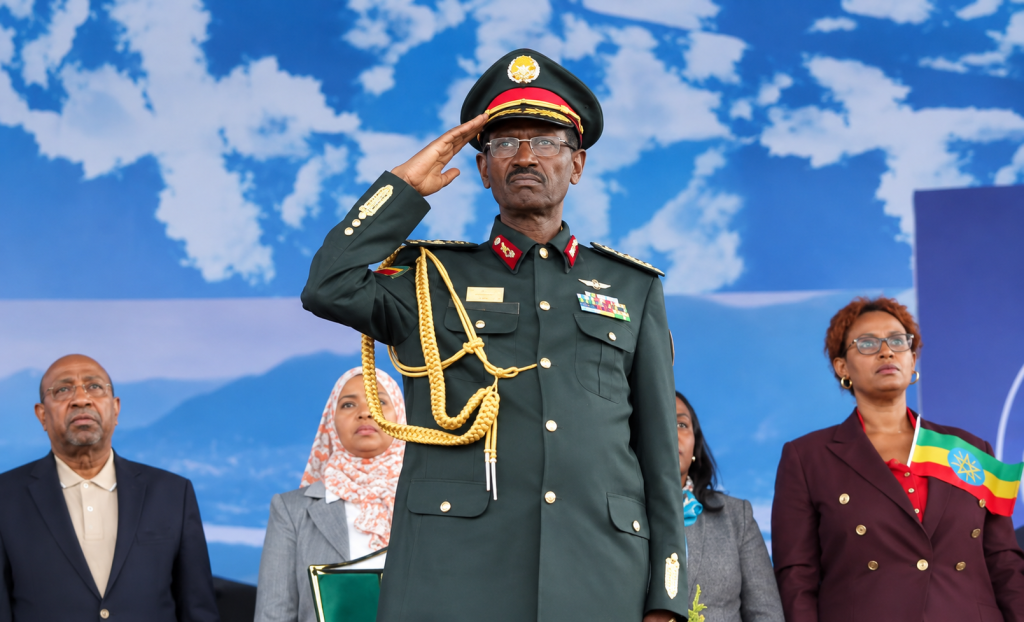
The chief of staff of the Ethiopian National Defense Forces, Field Marshal Birhanu Jula, said that the TPLF and its allies could not have launched their offensive without the support of foreign powers. In a video published on the Ethiopian military’s channel and later removed, he accused Eritrea, Sudan and Egypt, as well as other unnamed actors, of providing financial, logistical or material support to forces fighting the federal government.
The accusations came shortly after the formation, on September 22, of a new coalition bringing together several armed movements opposed to Prime Minister Abiy Ahmed’s government. The TPLF is one of the main forces within the alliance, alongside the Fano militias from the Amhara region and other armed groups. The coalition says it aims to overthrow the federal government, creating a new challenge to Ethiopia’s political and territorial stability.
Fighting has spread beyond Tigray. Clashes have also been reported in the neighboring Amhara and Afar regions. TPLF-linked forces have reportedly advanced in parts of Afar, including the capture of Erebti. The region is strategically important because it lies along one of the main routes connecting Ethiopia to the port of Djibouti, through which a significant share of the landlocked country’s imports pass.
The humanitarian situation is also deteriorating. A humanitarian source cited by Agence France-Presse estimated that around 150,000 people had been displaced in areas of Afar affected by the fighting. However, access to affected populations remains difficult because of insecurity and disruptions to communications, making it challenging to obtain a precise assessment of displacement levels and humanitarian needs.
Sudan has rejected Ethiopia’s accusations. The Sudanese army described them as “unfounded” and said it respected international law and the principles of good neighborly relations. Khartoum has, in turn, accused Ethiopia of supporting the Rapid Support Forces (RSF), the paramilitary group fighting Sudan’s armed forces in the war that has ravaged Sudan since 2023. Addis Ababa has also rejected those allegations.
Eritrea occupies an especially sensitive position in the crisis. Relations between Asmara and Addis Ababa have deteriorated sharply since the end of the Tigray war. Ethiopia has repeatedly accused Eritrea of moving closer to the TPLF, while Eritrean authorities have not publicly acknowledged the support attributed to them by Addis Ababa. Tensions are also linked to Ethiopia’s ambitions to secure access to the Red Sea, particularly around the Eritrean port of Assab.
Egypt is also at the center of Ethiopia’s regional disputes, particularly because of the long-running disagreement over the Grand Ethiopian Renaissance Dam, which Ethiopia built on the Blue Nile. However, regarding the current allegations concerning the Tigray conflict, Cairo has not publicly acknowledged the support attributed to it by Ethiopian authorities. The accusations should therefore be distinguished from independently verified evidence.
The renewed fighting has also revived memories of the Tigray war, which lasted from 2020 to 2022 and caused a major humanitarian catastrophe. An African Union estimate reported by several media outlets put the death toll at around 600,000. The peace agreement signed in Pretoria in November 2022 brought an end to the main hostilities, but several political, territorial and military disputes remained unresolved.
The latest escalation poses another serious risk to stability in the Horn of Africa. The alleged involvement of neighboring countries, tensions surrounding the Red Sea, the continuing war in Sudan and broader regional rivalries could further complicate efforts to prevent the conflict from spreading. The United Nations and the European Union have called on the parties to reduce tensions and resume dialogue.
For now, Ethiopia’s accusations that Eritrea, Sudan and Egypt are supporting rebel groups remain disputed. Nevertheless, the expansion of fighting and the displacement of civilians indicate that northern Ethiopia has entered another critical phase, with potential consequences extending far beyond Tigray’s borders.
