Morocco has entered a new political phase following the legislative elections held on September 23, 2026, with negotiations underway to form the country’s next government. The Authenticity and Modernity Party (PAM) emerged as the leading political force, winning 97 of the 395 seats in the House of Representatives. However, the party fell well short of the 198 seats required for an absolute majority and will therefore need to seek coalition partners to form a governing majority.
The formation of the next coalition is nevertheless dependent on a key institutional step: the appointment of the next head of government by King Mohammed VI. Under Morocco’s Constitution, the head of government is appointed from within the political party that finishes first in the legislative elections. The appointment will therefore be a decisive stage before formal negotiations over the composition of the new government can begin.
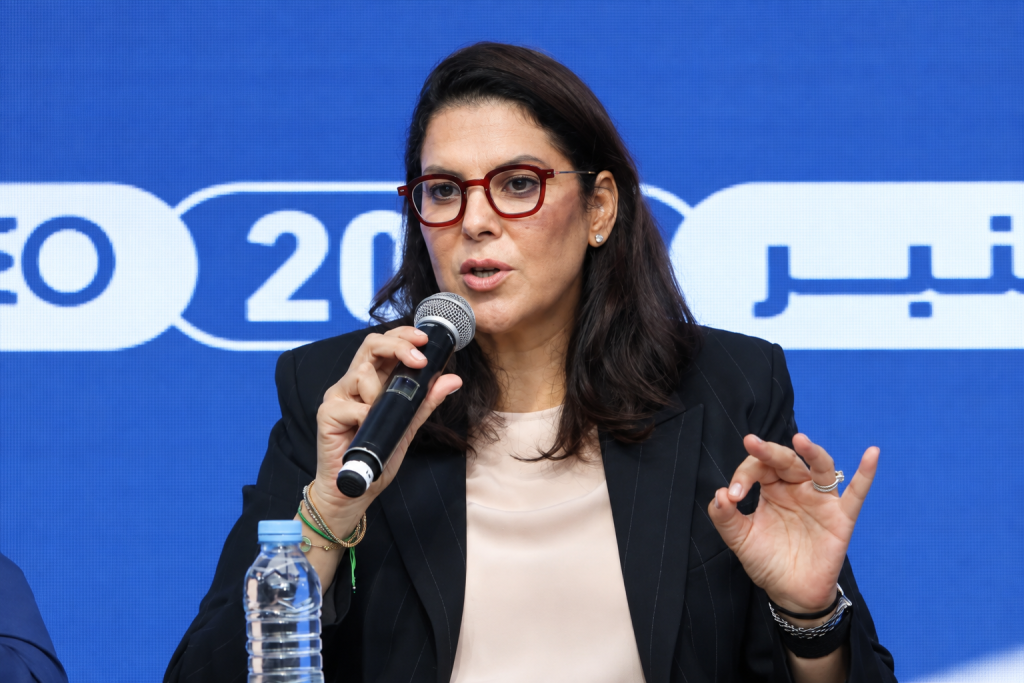
The PAM has indicated that it is open to discussions with various political parties. Its national coordinator, Fatima Zahra El Mansouri, said that the party had no “red lines” regarding potential alliances and that negotiations would focus in particular on political priorities and government programs. The party is now seeking to move from electoral competition toward political dialogue in order to secure enough support for the next government.
The new parliamentary configuration makes coalition negotiations particularly important. Behind the PAM, the National Rally of Independents (RNI) won 66 seats, while the Istiqlal Party secured 65 seats. The Justice and Development Party (PJD) also made a comeback, winning 54 seats. None of these parties can reach an absolute majority on its own, making alliances essential for the formation of a stable government.
The negotiations could focus both on the distribution of government responsibilities and on the priorities of the next administration. Several parties have already outlined their positions regarding possible alliances, with different degrees of openness. The Istiqlal Party, for example, has indicated that it is open to several possible configurations, while other parties have raised conditions linked to government programs, governance and political differences.
The political transition is also taking place against a backdrop of relatively low voter turnout. Official figures put participation at around 38%, below the level recorded in the 2021 legislative elections. This relatively limited mobilization is one of the key elements of the political context in which the next government will begin its mandate.
Beyond the formation of a governing coalition, the new administration will face major expectations concerning employment, purchasing power, public services, healthcare, education and living standards. It will also have to continue Morocco’s major investment projects ahead of the 2030 FIFA World Cup, while addressing the economic and social concerns that have shaped the country’s political debate.
Morocco is therefore entering a period of political consultations in which several key questions remain unanswered: who will be appointed as head of government, which parties will join the governing coalition, how ministerial portfolios will be distributed, and what priorities will guide the new administration. For the PAM, which emerged as the leading party but without an absolute majority, the immediate challenge is to turn its electoral lead into a parliamentary majority capable of supporting the next government.