
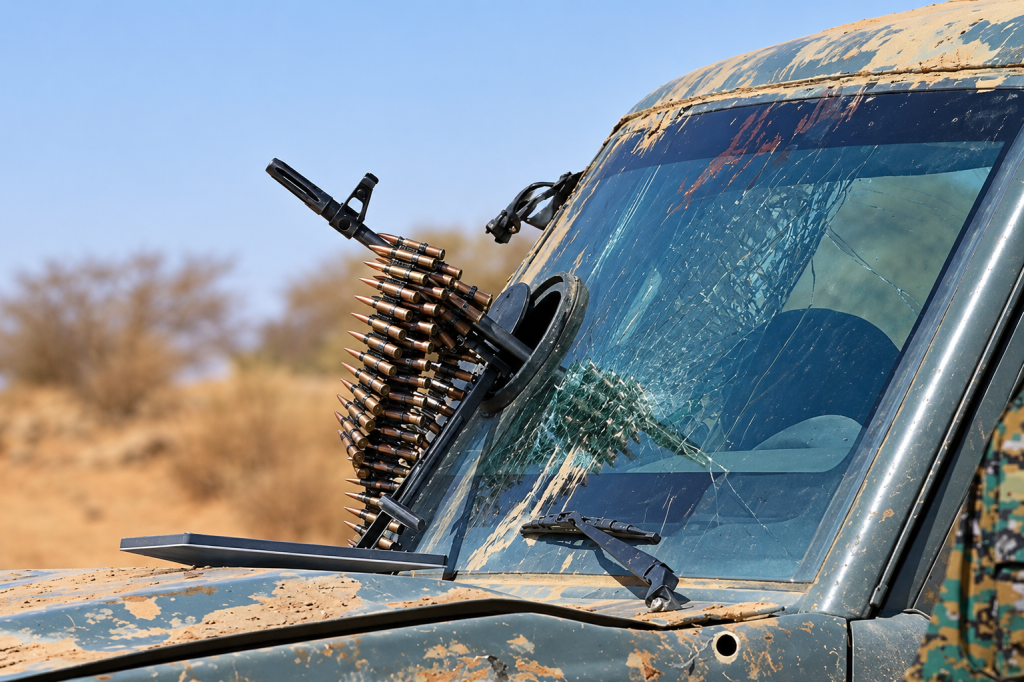
A new deadly attack has added to the growing toll of Sudan’s war, which has continued to devastate the country since April 2023. In the Kordofan region of central Sudan, an attack attributed to the Rapid Support Forces (RSF), a paramilitary group involved in the conflict against the Sudanese army, has killed at least 13 people, according to information reported on September 8, 2026.
The latest outbreak of violence comes as Kordofan has become one of the main flashpoints of Sudan’s ongoing conflict. The region holds significant strategic importance because of its geographical position between several areas directly affected by the fighting. Control over its cities and major transport routes is considered crucial by the rival forces seeking to strengthen their positions on the ground.
The violence in Kordofan is also having a severe impact on civilians, who are already facing an extremely difficult humanitarian situation. Fighting, population displacement and limited access to essential services have further worsened living conditions in several areas. The increase in attacks is raising concerns about a further deterioration of the humanitarian situation in a region where needs are already considerable.
The Sudanese conflict is primarily being fought between the Sudanese Armed Forces and the Rapid Support Forces. The war erupted in 2023 following a breakdown in relations between the two military factions and has since spread across large parts of the country. It has caused tens of thousands of deaths and forced millions of people to flee their homes, making Sudan one of the world’s most serious humanitarian crises.
Kordofan has increasingly become a key area in the development of the conflict. Fighting and drone attacks have been particularly frequent there throughout 2026. Several cities and rural areas have already been affected by the violence, while civilians continue to find themselves caught between rival armed groups operating in the region.
In South Kordofan, clashes involving the Sudan People’s Liberation Movement-North and other armed groups have also contributed to renewed instability. The involvement of several local actors and shifting military alliances has made the situation increasingly complex, creating additional risks for civilian populations.
The humanitarian situation remains particularly alarming. Millions of Sudanese have been forced to leave their homes since the beginning of the war, while some regions are facing severe food shortages, hunger and limited access to healthcare. Essential infrastructure, including medical facilities and supply networks, has also been heavily affected by the fighting.
The conflict has also been sustained by external support for the rival sides. International networks are believed to have contributed military equipment, logistical assistance and other forms of support to armed groups involved in the war. The increasing use of drones has expanded the ability of the opposing forces to strike targets far from traditional front lines, further increasing the risks faced by civilians.
The attack that killed 13 people therefore highlights the continuing instability in Kordofan at a time when diplomatic efforts to end the war have struggled to produce lasting results. Despite repeated calls for ceasefires and international efforts to encourage negotiations, fighting continues in several parts of Sudan.
The continued violence raises fears of a further deterioration of the humanitarian crisis in the coming weeks. In Kordofan and elsewhere across Sudan, civilians remain the primary victims of a conflict that, more than three years after it began, continues to claim lives, displace communities and deepen one of the world’s most severe humanitarian emergencies.