
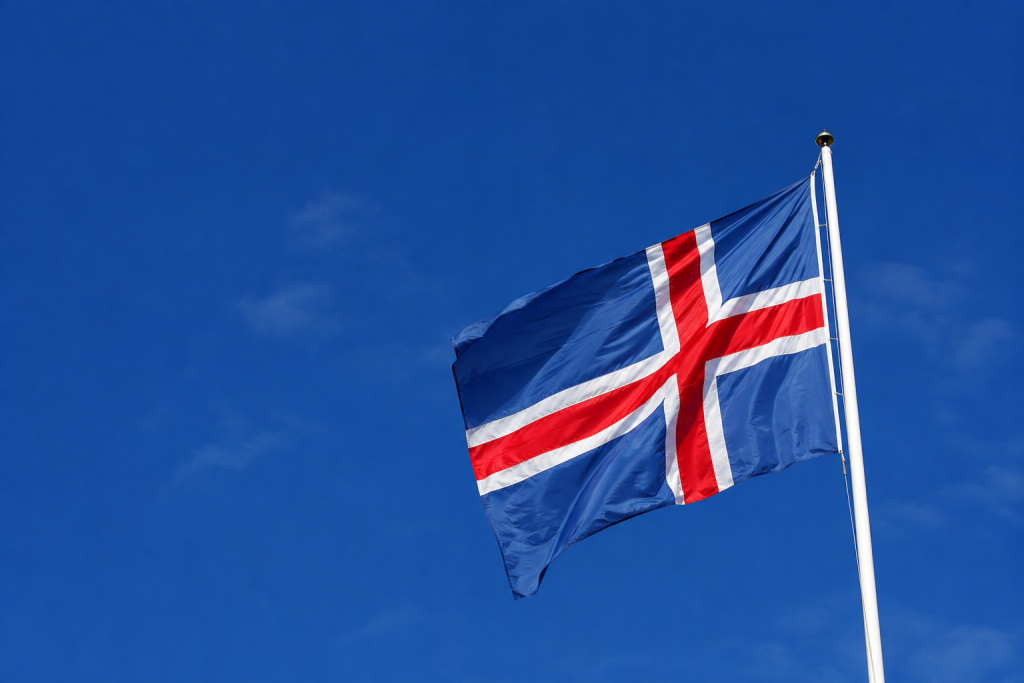
Icelanders narrowly rejected the resumption of negotiations on European Union membership in a referendum held on August 29, 2026. According to the final results, 52.8% of voters opposed reopening the talks, while 47.2% supported the proposal. Turnout was particularly high, reaching around 82.5%, highlighting the importance of the issue among Icelandic voters.
The referendum was not directly about joining the European Union. Instead, voters were asked whether Iceland should resume membership negotiations that had been suspended for more than a decade. A favorable vote would therefore have allowed the government to reopen discussions with Brussels, while any eventual accession agreement would have required further approval from the Icelandic population.
The result represents a setback for the government led by Prime Minister Kristrún Frostadóttir, who supported restarting the negotiations. Her government argued that Iceland should reconsider its relationship with the European Union at a time of growing geopolitical tensions, economic uncertainty and increasing strategic importance of the Arctic region.
Sovereignty was one of the central issues in the debate. A significant part of the population feared that EU membership could reduce Iceland’s ability to control its natural resources and determine its own national policies. The fishing industry played a particularly important role in the campaign. Fishing is a key pillar of the Icelandic economy and accounts for a significant share of the country’s exports. Opponents of reopening negotiations were especially concerned that joining the EU’s Common Fisheries Policy could weaken Iceland’s control over its marine resources.
Geographical differences also played an important role in the vote. The capital, Reykjavik, was more supportive of resuming negotiations, while rural areas and several regions outside the capital largely backed the “No” campaign. The divide reflects differences between an urban population that is generally more open to closer European integration and communities where fishing, agriculture and control over natural resources are particularly important.
Supporters of closer ties with the European Union, meanwhile, highlighted the potential benefits of membership, including greater economic stability, stronger trade relations and increased influence over European decision-making. In an increasingly uncertain international environment, they also argued that closer institutional ties with the EU could strengthen Iceland’s strategic position.
Iceland already maintains close economic and political ties with the European Union without being a member. The country is part of the European Economic Area, giving it access to the European single market, and is also a member of the Schengen Area. This arrangement provides Iceland with extensive economic integration and cooperation with European countries while allowing it to remain outside the European Union.
The referendum result means that accession negotiations will not resume in the immediate future. The Icelandic government has indicated that it will respect the decision of voters. For the European Union, the outcome is also a setback, as Iceland is already closely aligned with the bloc in economic and regulatory terms.
Despite the rejection, the debate over Iceland’s future relationship with Europe is unlikely to disappear. The relatively narrow margin shows that a substantial share of the population remains open to closer ties with the European Union. The divisions revealed by the referendum could therefore continue to shape Icelandic political debate, particularly over sovereignty, fisheries, economic policy and the country’s strategic position in the North Atlantic and Arctic regions.