
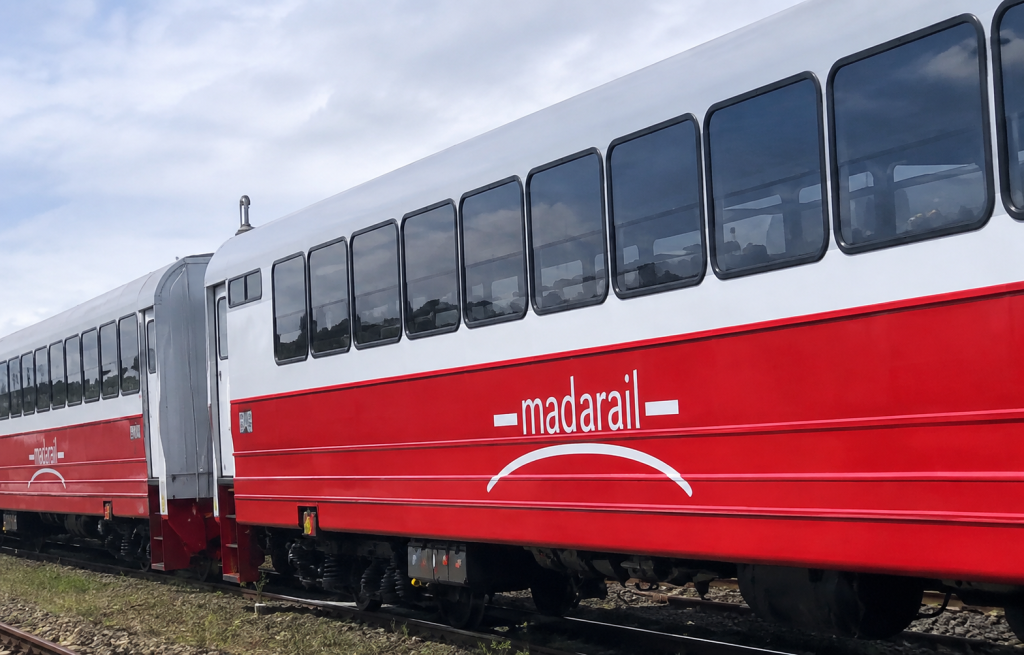
Madagascar’s railway sector could receive significant financial support from the World Bank. According to a project document recently published by the institution, Madarail could benefit from financing of up to $149 million to modernize railway infrastructure, terminals, and storage facilities. The operation is part of the Multimodal Transport and Logistics Project, which has a total financing package of $200 million.
The proposed financing does not yet constitute an automatic disbursement. Its implementation remains subject to several commitments and conditions to be met by Madarail and the Malagasy government. The World Bank has designed the financing around measures aimed at improving railway performance, infrastructure management, and the efficiency of Madagascar’s logistics chain.
The project, officially identified as P512330 – Multimodal Transport and Logistics Project, focuses in particular on railways, port infrastructure, freight logistics, and the development of more efficient transport connections.
One of the project’s main objectives is to significantly increase the volume of goods transported by rail. Madarail currently transports approximately 135,000 tonnes of freight per year, while the project aims to raise this capacity to 520,000 tonnes annually. Such an increase would represent a major expansion of rail freight and could strengthen the role of railways in Madagascar’s domestic and international trade.
The planned investment also covers infrastructure needed to improve the country’s logistics chain. The project is expected to support the modernization of railway infrastructure, terminals, and storage facilities. These improvements could facilitate the movement of goods between production areas, economic centers, and major trade hubs.
For Madagascar, the significance of the project goes beyond simply rehabilitating railway tracks. A more reliable and efficient railway network could help reduce some of the pressures placed on road transport, improve the movement of goods, and strengthen the competitiveness of businesses that depend heavily on logistics. The World Bank’s project follows a multimodal approach, combining different modes of transport and infrastructure in order to improve the overall efficiency of the logistics system.
The financing comes at a time when transport infrastructure remains a major challenge for Madagascar’s economic development. Poor road and railway infrastructure, as well as limited logistical capacity in some areas, can increase transportation costs and restrict access to markets. Strengthening the railway system could therefore help connect production zones with major markets and improve the integration of Madagascar’s transport network.
The World Bank’s project also focuses on several broader objectives, including trade facilitation, freight logistics, infrastructure resilience, employment creation, and private-sector development. Climate considerations and the development of more sustainable logistics systems are also incorporated into the project.
However, the success of the financing will depend heavily on effective coordination between the Malagasy government, Madarail, and the other stakeholders involved. The conditions attached to the proposed financing are particularly important, as they are intended to ensure that the funds are used efficiently and contribute to the long-term improvement and sustainability of Madagascar’s railway sector.
The project has already entered an operational phase. The World Bank published a procurement plan for the Multimodal Transport and Logistics Project in July 2026, while an implementation status report was made public on August 17, 2026. These developments indicate that the project is progressing beyond the initial planning stage.
With the prospect of $149 million in financing, Madagascar’s railway sector is therefore facing a major opportunity for transformation. If the required conditions are fulfilled and the investments are implemented effectively, the modernization of Madarail could significantly increase rail freight capacity, improve logistics infrastructure, and contribute to the broader competitiveness of the Malagasy economy.
The key challenge will now be to turn the proposed financing into tangible improvements: effective infrastructure rehabilitation, better service quality, increased freight capacity, and stronger integration of railways into Madagascar’s national transport system. For Madagascar, the successful implementation of this project could represent an important step toward rebuilding a railway network capable of playing a more central role in the country’s economic development.