
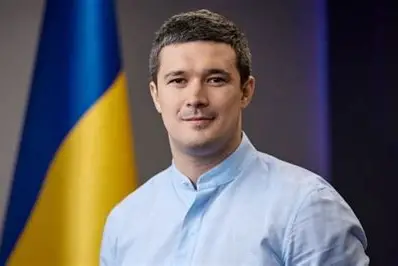
Ukrainian Defense Minister Mykhailo Fedorov announced his resignation on Wednesday, July 15, 2026, marking another significant step in the sweeping government reshuffle initiated by President Volodymyr Zelensky. The move comes just days after the resignation of Prime Minister Yuliia Svyrydenko and reflects a broader effort to reorganize Ukraine’s leadership as the country continues to face Russia’s full-scale invasion.
In a message published on Telegram, Fedorov described serving as defense minister as a “great honor.” He highlighted the key achievements of his tenure, including strengthening Ukraine’s military capabilities, accelerating defense innovation, and expanding the country’s domestic defense industry. While acknowledging that his time in office had been marked by numerous challenges, he did not specify the reasons behind his decision to step down.
The resignation is part of a wider restructuring led by President Zelensky, who has emphasized the need to adapt the government to evolving military, diplomatic, and economic challenges. According to the president, experienced officials will be assigned new strategic responsibilities, particularly in international relations, with the goal of improving the effectiveness of the government as Ukraine enters another year of war.
At the same time, Ukraine continues to strengthen its defense sector through closer cooperation with its international partners. On the same day, Ukraine and the European Union announced a new partnership aimed at increasing the joint production of drones, which have become a critical component of modern warfare. European Commission President Ursula von der Leyen said the initiative would combine “Ukrainian ingenuity” with Europe’s industrial capacity to reinforce the long-term security of both Ukraine and the European continent.
As fighting continues across multiple frontlines and drone attacks intensify on both sides, the government reshuffle underscores Kyiv’s determination to maintain an effective state administration, reinforce international partnerships, and prepare for both the next phase of the conflict and the country’s future reconstruction.