
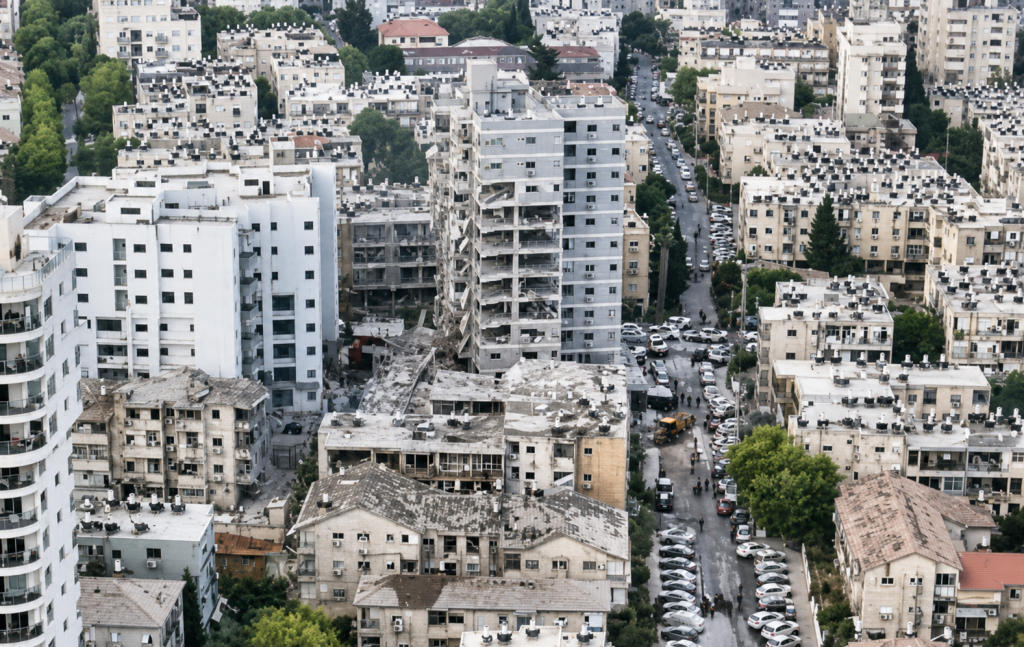
Tensions in the Middle East remain extremely high as ongoing clashes between Israel and Hezbollah in Lebanon continue to undermine diplomatic efforts led by the United States to stabilize the region. Despite announcements by U.S. President Donald Trump regarding an agreement aimed at reducing hostilities between Israel and the Lebanese Shiite movement, fighting continues on the ground, raising concerns among the international community.
According to several diplomatic and media sources, Donald Trump intervened directly with Israeli Prime Minister Benjamin Netanyahu to prevent a major strike on Beirut. This initiative reportedly led to a temporary suspension of certain military operations targeting the Lebanese capital. However, Israeli strikes continued in southern Lebanon, particularly in the regions of Nabatiyeh and Tyre, where civilian casualties have been reported.
At the same time, Hezbollah has maintained military operations against Israeli positions despite U.S. statements suggesting a reduction in hostilities. Rocket and drone attacks have been reported in northern Israel, highlighting the fragility of any de-escalation agreement and the continued risk of a broader conflict.
The situation is further complicated by Iran’s central role in the crisis. Tehran has reportedly suspended contacts with international mediators involved in efforts to facilitate a wider ceasefire. Iranian authorities insist that any sustainable solution must include an end to Israeli military operations in Lebanon. This position could complicate ongoing negotiations between Washington and Tehran concerning Iran’s nuclear program and economic sanctions.
U.S. Secretary of State Marco Rubio stated that discussions with Iran have made progress on several sensitive aspects of its nuclear program. Washington is reportedly seeking commitments related to the reopening of the Strait of Hormuz, a strategic route for global oil trade, as well as measures concerning Iran’s stockpile of enriched uranium.
On the humanitarian front, the conflict continues to have severe consequences. More than one million people are believed to have been displaced in Lebanon since the escalation began, while civilian infrastructure has suffered significant damage. The United Nations has expressed growing concern over the worsening humanitarian situation and has urged all parties to exercise restraint to prevent the conflict from spreading across the region.
Developments in the coming days will be crucial for the future of regional negotiations. As the United States seeks to revive dialogue with Iran while maintaining its support for Israel, the ongoing violence in Lebanon threatens to further destabilize an already fragile balance across the Middle East.