
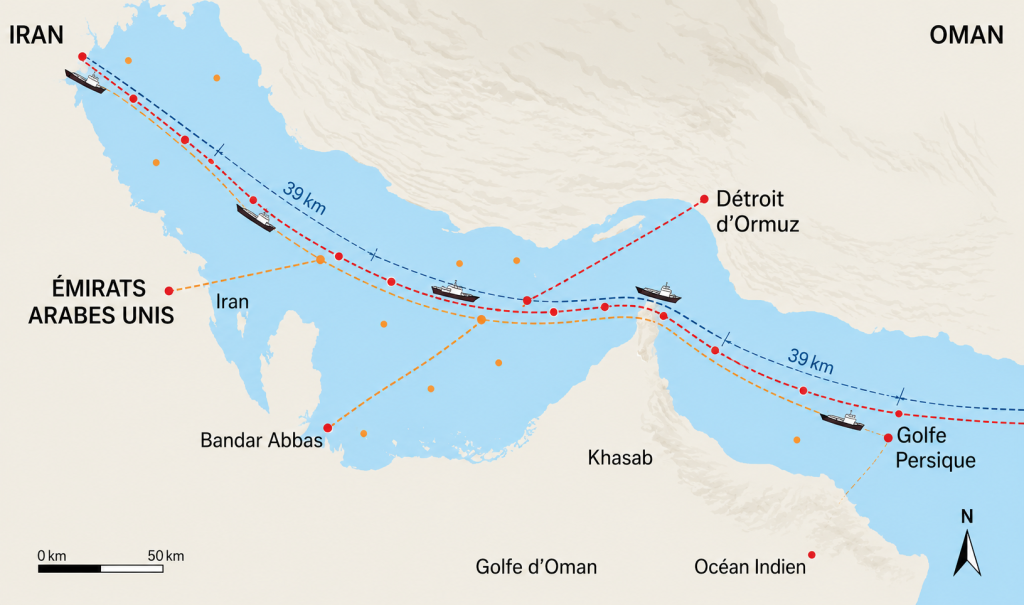
The ongoing conflict in the Middle East continues to raise major international concerns, particularly around the Strait of Hormuz, a strategic maritime corridor through which a significant share of the world’s oil supply passes. According to reports published on May 19, 2026, the North Atlantic Treaty Organization (NATO) is considering a potential security operation in the area, although no official political decision has yet been made. NATO’s Supreme Allied Commander Europe stated that no operational planning would begin until member states collectively approve a political mandate.
The discussions come as the Strait of Hormuz remains at the center of tensions between Iran, the United States, and their allies. In recent weeks, disruptions to maritime traffic have increased pressure on global energy markets. Iranian authorities have maintained an aggressive stance, with several military officials warning that their forces are prepared to respond to any further Western intervention. One senior Iranian military leader declared that the armed forces had their “finger on the trigger,” while other officials threatened to open “new fronts” in the event of a U.S. attack.
In response to the growing instability, G7 countries have called for the rapid reopening and protection of the Strait of Hormuz to ensure freedom of navigation. Finance ministers from the world’s leading economies highlighted the direct impact of the conflict on global markets, particularly rising oil prices, higher transportation costs, and increased pressure on supply chains. As one of the world’s most important energy transit routes, any prolonged disruption in the strait could intensify inflation risks and slow economic growth worldwide.
At the same time, diplomatic negotiations between Washington and Tehran remain fragile. U.S. President Donald Trump stated that he had canceled a planned strike against Iran, citing what he described as “very positive developments” in ongoing talks. However, the White House continues to maintain significant military pressure and has warned that large-scale intervention remains possible if no lasting agreement is reached regarding Iran’s nuclear program.
The possibility of greater NATO involvement highlights the increasingly global dimension of the Middle East crisis. Although the alliance has not confirmed any military deployment, ongoing discussions about securing the Strait of Hormuz underline the strategic importance of the waterway for international economic stability and global security. The coming days are expected to be critical in determining whether diplomatic efforts can prevent a wider military escalation in the region.