
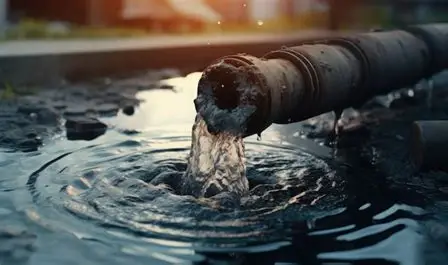
The official launch of a major sanitation project in Antananarivo marks a significant step toward modernizing the Malagasy capital’s urban infrastructure. Part of the Integrated Sanitation Program of Antananarivo Phase II (PIAA2), this initiative aims to sustainably improve the evacuation of wastewater and rainwateran essential challenge for a city regularly affected by flooding.
Scheduled to run over several months, the project has begun in key areas of the city center, including Mahamasina, Analakely, and Antanimena. The works involve extending and rehabilitating existing drainage canals, as well as constructing new channels to improve water flow toward suitable outlets. In Mahamasina, the first area concerned, operations are expected to last around four months and include major excavation beneath roadways.
The main objective is to put an end to the recurring floods that hit the capital during the rainy season. These issues are worsened by aging infrastructure, rapid urbanization, and increasing population pressure. Ultimately, more than one million residents are expected to directly benefit from the project, which also seeks to improve hygiene and overall urban sanitation.
However, these large-scale works are already causing short-term disruptions for residents. Traffic disturbances have been reported on several major roads due to construction activities and temporary road closures. Authorities are therefore calling for public understanding, emphasizing that these inconveniences are necessary for the city’s long-term resilience.
Funded with the support of international partners such as the French Development Agency and the European Union, the PIAA2 program is part of a broader urban transformation strategy. Beyond infrastructure, it aims to strengthen Antananarivo’s capacity to face climate-related challenges while also creating local jobs through labor-intensive construction projects.
Through this initiative, the Malagasy capital is taking a decisive step toward a more sustainable urban model, where effective water management becomes a key driver for improving living conditions and reducing environmental risks over the long term.