
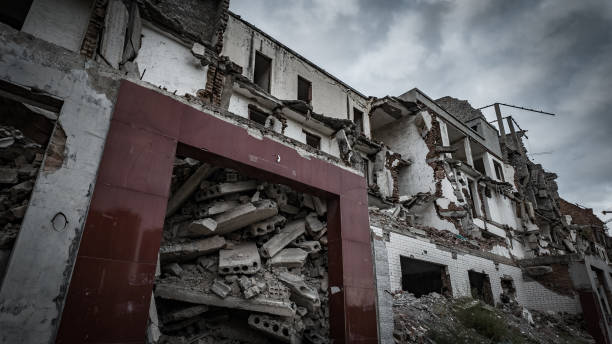
The war that erupted on February 28, 2026, between the United States, Israel, and Iran has reached a critical turning point, marked by an escalation in strikes and a sharp rise in civilian casualties. Initially presented as an operation aimed at neutralizing Iran’s military and nuclear capabilities, the campaign has evolved into a broader conflict in which civilian infrastructure and populations are increasingly exposed.
According to several human rights organizations, nearly 1,500 Iranian civilians have been killed in less than a month, including more than 200 children. Airstrikes have reportedly hit schools, hospitals, and densely populated residential areas, raising serious concerns about violations of international humanitarian law. One particularly controversial strike targeting a girls’ school, which allegedly killed over 160 children, is now under investigation and could potentially be classified as a war crime.
These civilian losses are partly attributed to targeting errors, the use of outdated intelligence, and military operations conducted in heavily populated urban environments. Despite this, Washington and Tel Aviv maintain that their strikes are strictly aimed at strategic military objectives.
At the same time, Iran has retaliated with missile and drone strikes against U.S. military bases and infrastructure across several Gulf countries. These attacks have also affected civilian areas, further increasing the human toll and intensifying mutual accusations of war crimes.
The conflict is unfolding amid a massive militarization of the region. The United States has deployed thousands of additional troops to the Middle East, including airborne units, in what is considered one of the largest military reinforcements in decades. This buildup is fueling concerns about a broader escalation, including the possibility of a ground intervention.
On the strategic front, strikes have also targeted key energy infrastructure, including oil and gas facilities, with immediate consequences for global markets. Iran’s partial blockade of the Strait of Hormuz has driven oil prices above $100 per barrel and disrupted international trade routes.
Beyond the battlefield, the war is triggering significant diplomatic fractures. Some Western allies, such as Spain, have distanced themselves from U.S. operations, denouncing the conflict as illegal and dangerous. This growing disunity is weakening the Western front and highlighting deep divisions over the legitimacy and conduct of the war.
One month into the conflict, the initial strategic objectives remain uncertain. Despite significant damage inflicted on Iran’s military capabilities, Tehran retains a strong capacity to retaliate and continues to exert regional influence through its allies. Diplomatic discussions mentioned by Washington remain fragile, and the prospect of a ceasefire is still uncertain.
In this context, the war in Iran is increasingly turning into a war of attrition with severe humanitarian consequences. The growing number of strikes on civilian areas—whether intentional or accidental—is raising alarm across the international community. As the fighting continues, the risk of a wider regional escalation and a large-scale humanitarian crisis now appears increasingly imminent.