
The energy transition is reaching a significant milestone in southern Madagascar, particularly in Tolagnaro, where an increasing share of electricity now comes from renewable sources. According to recent data, around 15% of the city’s electricity consumption is currently supplied by solar and wind energy, marking concrete progress toward a more sustainable energy model.
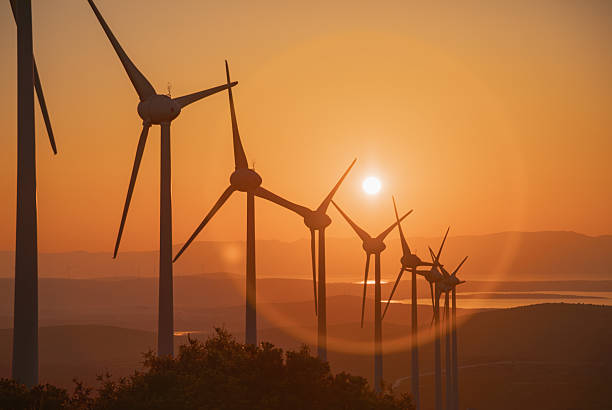
This development is based on a hybrid system combining a solar power plant with a capacity of 14 MWp and a wind farm reaching 16 MWp, representing a total renewable energy potential of approximately 30 MW. This system supplies both industrial activities—particularly those of the mining company Rio Tinto QMM—and the electricity needs of the local population.
In detail, solar energy currently represents the most stable component of the system. Around 25,000 photovoltaic panels are operating at full capacity, providing continuous electricity during daylight hours. Meanwhile, the wind component is still being progressively deployed: out of the 19 turbines planned, some are already operational while others are still under installation or maintenance. Nevertheless, the first injections of wind-generated electricity into the grid began in late 2025, helping diversify the energy supply.
The system operates through a complementary approach between the two energy sources. Solar power is prioritized during the day when sunlight is at its peak, while wind energy takes over in the evening and at night, ensuring a degree of continuity in electricity supply. This hybrid model helps mitigate the intermittency inherent to each renewable source, even though they do not always operate simultaneously.
However, certain limitations remain, particularly in terms of energy storage. At this stage, the infrastructure does not yet include large-scale storage capacity. Existing batteries are mainly used to stabilize the grid in response to fluctuations in demand or production. Still, improvements are being considered, including potential investments in more advanced storage solutions to optimize the integration of renewable energy into the local energy mix.
Beyond current performance, ambitions are clearly set: the objective is to gradually increase the share of renewable energy to 50% of total electricity production in the city. Such progress would represent a major turning point not only for Tolagnaro but also for Madagascar as a whole, where challenges related to access to reliable and affordable electricity remain significant.
This project is part of a broader national energy transition strategy aimed at reducing dependence on fossil fuels, lowering production costs, and strengthening the resilience of the power system against economic and climate-related fluctuations. It also highlights the growing role of partnerships between industrial stakeholders and local territories in developing sustainable energy infrastructure.
In the long term, Tolagnaro’s experience could serve as a model for other regions of the country, demonstrating that a solar and wind-based energy mix is not only viable but also strategic for supporting local economic development while addressing global environmental challenges.