
The geopolitical crisis surrounding the Strait of Hormuz is pushing much of Asia into a critical energy situation, forcing several countries to adopt unprecedented austerity measures in response to shrinking oil and gas supplies.
Since major disruptions hit this strategic corridor, through which a significant share of global oil transits, energy flows to Asia have been severely reduced. The situation is unfolding amid rising tensions involving Iran and the United States, turning the area into a major chokepoint for global energy trade.
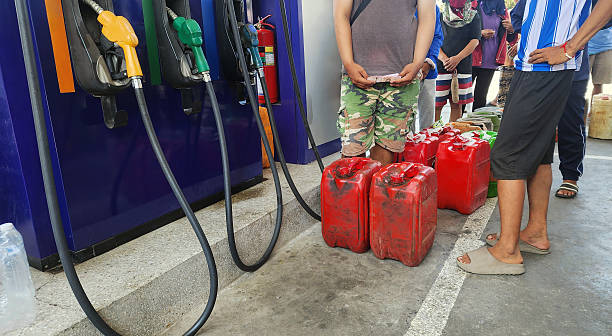
Asian economies, highly dependent on hydrocarbon imports from the Middle East, are on the front line. Countries such as the Philippines are facing intense pressure on their energy supplies, prompting authorities to consider emergency measures to curb consumption and secure remaining reserves.
Across the region, energy stockpiles are rapidly declining, in some cases covering only a few weeks of demand. To cope with the situation, governments are implementing demand-reduction strategies reminiscent of pandemic-era policies, including expanded remote work, reduced economic activity, and restrictions on certain energy uses.
The economic impact is already significant. Manufacturing activity is slowing as energy costs surge and supply constraints intensify. Key sectors such as food production and plastics are being affected, disrupting supply chains and fueling inflationary pressures worldwide.
Beyond Asia, the crisis is having global repercussions. Rising energy prices are weighing on importing economies and increasing the risk of an economic slowdown. The situation highlights the structural vulnerability of many countries to energy dependence and is reigniting debates over supply diversification and the acceleration of the transition toward alternative energy sources.