
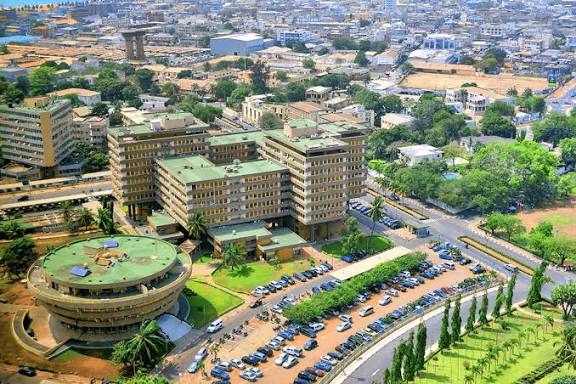
As of February 26, 2026, economic news in West Africa is marked by the official confirmation that Togo’s GDP per capita surpassed 1,300 US dollars in 2025. This milestone represents a symbolic turning point in the country’s macroeconomic trajectory and reflects the sustained growth dynamics observed in recent years. GDP per capita, which measures the average wealth produced per person, is a key indicator for assessing overall economic development, even though it does not fully capture income distribution or social inequalities.
This progress is primarily driven by robust economic growth. The Togolese economy has recorded strong growth rates, supported by the expansion of the service sector, infrastructure development, and the consolidation of regional trade. The Port of Lomé plays a strategic role in this momentum by strengthening the country’s position as a regional logistics hub. Its central role in facilitating trade for landlocked neighboring countries generates public revenue and stimulates related sectors such as transportation, logistics, and financial services.
The increase in GDP per capita is also partly explained by statistical adjustments linked to recent demographic data. Results from the latest population census led to a revision of demographic estimates, which mechanically influenced the GDP per capita ratio. Therefore, the rise reflects both genuine growth in national output and methodological adjustments. This highlights the importance of reliable statistical systems in interpreting economic performance.
From a structural perspective, Togo continues to implement reforms aimed at strengthening macroeconomic stability and improving the business climate. Efforts to modernize public administration, digitalize government services, and enhance domestic revenue mobilization have contributed to improved economic governance. Membership in the West African Economic and Monetary Union provides monetary stability, fostering investor confidence and limiting excessive inflationary pressures. This fiscal and monetary discipline remains a significant asset in a global context characterized by economic uncertainty.
However, surpassing the 1,300-dollar threshold does not mean that socioeconomic challenges have been resolved. A significant portion of the population remains active in the informal sector, where productivity is low and social protection is limited. Youth unemployment, the need for deeper industrialization, and reliance on specific sectors continue to represent structural challenges. Moreover, vulnerability to external shocks, including fluctuations in global commodity prices and international trade tensions, may affect future growth prospects.
Looking ahead, the central challenge lies in transforming this quantitative performance into qualitative progress. Strengthening human capital through investment in education and vocational training, as well as developing local value chains with higher added value, will be crucial to sustaining long-term growth. Economic expansion must become more inclusive in order to reduce inequalities and translate macroeconomic gains into tangible improvements in living standards.
On February 26, 2026, Togo’s achievement of surpassing 1,300 dollars in GDP per capita stands as a positive signal for the national economy and the broader West African region. It reflects an upward trajectory and a degree of resilience in an uncertain global environment. The consolidation of this progress will ultimately depend on the continuation of structural reforms and the country’s ability to turn economic growth into sustainable and inclusive development.