
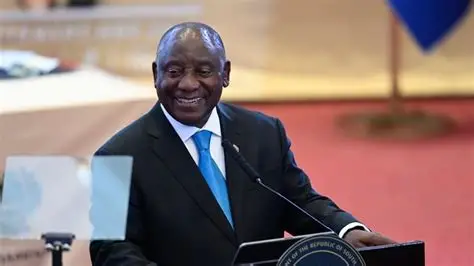
South African President Cyril Ramaphosa recently reaffirmed, during his State of the Nation address, his commitment to implementing the break-up of Eskom, the state-owned company responsible for electricity generation and distribution in South Africa. This decision comes amid a persistent energy crisis marked by recurrent power outages, aging infrastructure, and financial instability. Reforming the electricity sector has become imperative to support economic growth and attract new investments in the country.
The core objective of this reform is the separation of transmission activities from Eskom’s other operations. Establishing an independent public entity solely responsible for the transmission network aims to ensure more transparent and efficient management while facilitating private sector participation. This approach would mitigate risks associated with Eskom’s debt and governance challenges, promote competition, and modernize the grid.
Economically, the reform is strategic. Despite significant private sector investment estimated at over 200 billion rands in renewable energy projects—South Africa still faces infrastructure deficits and requires approximately 390 billion rands over the next decade to modernize the transmission network. The break-up is therefore intended to attract structured financing and provide investors with a more stable and predictable environment.
Politically, the project has not been free of tensions. Energy Minister Kgosientsho Ramokgopa had initially proposed keeping transmission assets within Eskom, raising investor concerns about debt and governance risks. Ramaphosa rejected this option, emphasizing that full separation is essential to restore market confidence and ensure the long-term viability of the electricity system.
Looking ahead, this reform could transform South Africa’s energy landscape. An independent transmission entity could catalyze renewable energy expansion, private investment, and improved grid reliability. Its success will depend on effective implementation, governance transparency, and coordination between public and private stakeholders. If executed rigorously, this initiative could not only address Eskom’s structural challenges but also position South Africa as a regional leader in energy innovation.
In conclusion, Eskom’s break-up represents a bold and necessary reform to modernize South Africa’s energy system. It reflects Ramaphosa’s determination to reform strategic state-owned enterprises, attract private investment, and ensure the country’s economic stability. The success of this initiative will depend on the government’s ability to balance political, economic, and technical considerations while delivering an effective and sustainable energy transition.