
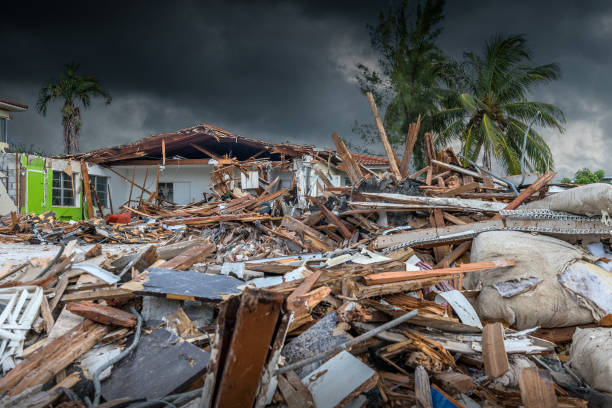
The passage of Tropical Cyclone Gezani along Madagascar’s eastern coast marks another dramatic episode in the country’s recent climatic history. By making direct landfall in the port city of Tamatave (Toamasina), the system caused widespread destruction and once again exposed the vulnerability of coastal areas to extreme weather events. The intensity of the winds and torrential rainfall reshaped the urban landscape within a matter of hours.
Material damage is particularly severe in residential neighborhoods, where many homes were either heavily damaged or completely destroyed. Fallen trees, collapsed roofs, and flooding have blocked key roads, making emergency response operations more difficult. Even solid concrete structures were not spared, highlighting the unusual strength of the cyclone and raising concerns about the resilience of existing infrastructure to evolving climate risks.
Beyond the visible destruction, the disruption of essential services has significantly worsened the crisis. Power outages and communication breakdowns have slowed the accurate assessment of human and material losses. These interruptions have also complicated coordination efforts, leaving many residents isolated and in urgent need of assistance.
The impact of the cyclone extends beyond Tamatave, as the weather system continues moving inland, bringing heavy rainfall and increasing the risk of flooding. Authorities have placed several regions under heightened alert to anticipate possible landslides and river overflows. This geographical spread of risk demonstrates that the consequences of such a cyclone go far beyond the initial point of landfall and may have lasting economic repercussions.
Finally, this disaster renews the debate on Madagascar’s capacity to adapt to climate change and the growing frequency of extreme weather events. The increasing occurrence of powerful cyclones calls for more ambitious public policies in prevention, urban planning, and risk management. The Gezani episode serves as a reminder that reconstruction efforts must not only repair the damage but also integrate a strategic vision to reduce the impact of future crises.